Best Bike Helmets 2026: Complete Safety Guide for Every Type of Cyclist
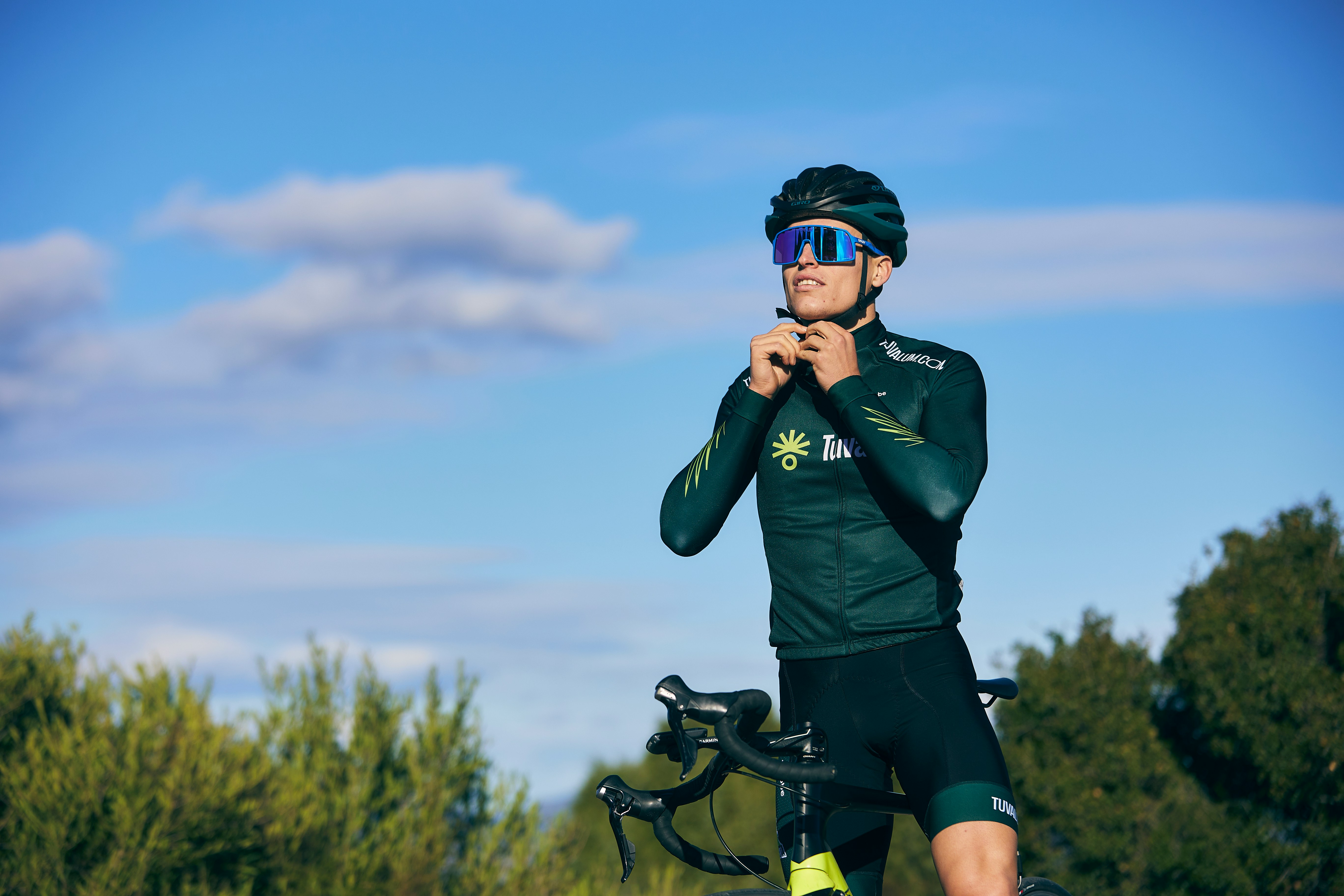
Your head houses your brain, personality, memories, and everything that makes you who you are. A quality bike helmet is the single most important piece of cycling equipment you’ll ever buy—more critical than your bike, components, or any other accessory. Yet walking into a bike shop or browsing online reveals hundreds of options spanning $30 to $400, all claiming to keep you safe.
The challenge: how do you distinguish genuine protective value from marketing hype? Research by Virginia Tech and the Insurance Institute for Highway Safety found that even helmets meeting minimum safety standards perform dramatically differently in real-world crash scenarios. Cost doesn’t predict protection—some $75 helmets outperform $200 models in independent testing.
This comprehensive guide cuts through the confusion, explaining safety ratings you actually need to understand, critical features that separate good helmets from mediocre ones, how to ensure proper fit, and specific helmet recommendations for road cycling, mountain biking, commuting, and e-biking. By the end, you’ll know exactly which helmet deserves to protect your most valuable asset.
Understanding Bike Helmet Safety Standards: What the Certifications Mean
Every bike helmet sold in the United States must meet Consumer Product Safety Commission (CPSC) standards—but meeting minimum standards doesn’t mean all helmets protect equally. Understanding the certification landscape helps you make informed decisions.
CPSC Certification: The Baseline Standard
CPSC certification requires helmets to pass tests where they’re dropped straight down onto an anvil at specific speeds, preventing head impact accelerations over 300 g—a level associated with skull fractures or severe brain injury. This standard has saved countless lives since mandatory adoption in 1999.
However, CPSC testing has significant limitations. The tests exclude the helmet rim—despite studies showing many real-world impacts occur precisely at the front and side rims. Tests drop helmets perpendicular to surfaces, whereas cyclists typically hit pavement at angles during crashes. Finally, test speeds represent severe impacts rather than the concussion-level forces more commonly experienced.
CPSC certification proves a helmet won’t fail catastrophically, but passing this test represents the starting point, not the finish line, of helmet safety.
Virginia Tech STAR Rating System: Real-World Protection
Recognizing CPSC limitations, Virginia Tech and IIHS developed comprehensive testing simulating realistic crash scenarios. The STAR (Summation of Tests for the Analysis of Risk) system rates helmets from 0 to 5 stars based on their ability to reduce linear acceleration and rotational velocity—the forces causing concussions and brain injuries.
Key advantages of STAR testing include: testing helmet rims where many real impacts occur, using angled impacts that replicate actual crash dynamics, evaluating performance across multiple impact speeds and locations, and providing sensor-measured data correlating to actual concussion risk.
Independent Virginia Tech ratings reveal significant performance variations. Helmets earning 4-5 stars demonstrate measurably better protection than 2-3 star models, regardless of price. When shopping, prioritize helmets with published STAR ratings of 4+ stars whenever possible.
NTA-8776: E-Bike Specific Standard
As e-bikes have surged in popularity, a crucial question emerged: are regular bike helmets adequate for higher-speed electric cycling? The Dutch NTA-8776 standard addresses this gap, testing helmets for impacts up to 28 mph—the assisted speed limit for Class 3 e-bikes.
NTA-8776 certified helmets typically feature more coverage extending farther down the back and sides of the head, reinforced construction handling higher-energy impacts, and often including enhanced visibility features like integrated lights. If you ride a Class 3 e-bike regularly or commute at sustained speeds above 20 mph, consider NTA-8776 certification essential rather than optional.
MIPS and Rotational Impact Protection: Understanding the Technology
Walk into any bike shop and you’ll see “MIPS” plastered across helmet boxes. This acronym has become ubiquitous, but what does Multi-Directional Impact Protection System actually do, and is it worth the premium?
How MIPS Works
Traditional helmet foam excels at absorbing straight-line impacts, but most cycling crashes involve rotational forces—your head hits pavement at an angle, causing it to rotate suddenly. These rotational forces jostle your brain inside your skull, causing concussions even when linear impact forces remain below injury thresholds.
MIPS addresses this through a low-friction liner inside the helmet that moves independently from the outer shell. When your head hits the road at an angle, the helmet sticks due to high friction with pavement, but your head slides slightly relative to the helmet. This “slip plane” reduces rotational forces reaching your brain.
Virginia Tech testing consistently shows MIPS and similar systems improve safety ratings. Of the four 5-star helmets in initial testing, all featured MIPS or equivalent rotational protection technology. While MIPS adds $20-40 to helmet costs, independent data suggests the investment provides measurable safety improvements.
MIPS Alternatives: WaveCel, Kineticore, and POC SPIN
Several manufacturers have developed proprietary rotational protection systems as alternatives to licensing MIPS technology. WaveCel uses a collapsible cellular structure that flexes and glides during angled impacts. Lazer’s Kineticore incorporates crumple zones directly into foam construction. POC’s SPIN uses silicone pods attached inside helmets.
While these systems use different mechanical approaches, all target the same goal: reducing rotational forces during crashes. Look for independent test results—preferably Virginia Tech STAR ratings—rather than relying solely on manufacturer claims when evaluating protection.
Helmet Types: Matching Design to Your Cycling Style
Bike helmets aren’t one-size-fits-all equipment. Different cycling disciplines benefit from specialized designs optimized for varying speeds, riding positions, and impact risks.
Road Bike Helmets: Aerodynamics and Ventilation
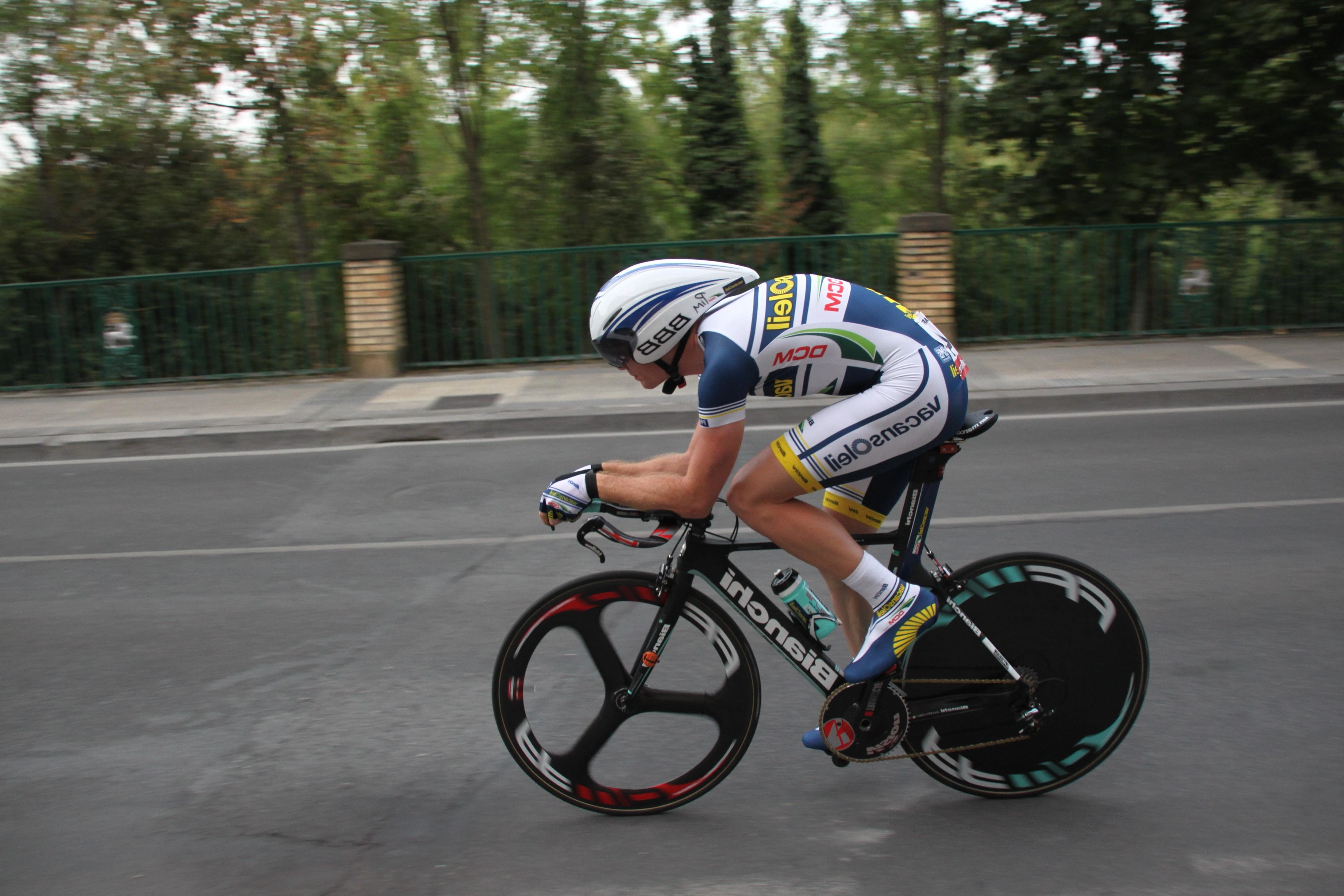
Road cycling helmets prioritize lightweight construction, extensive ventilation for sustained efforts, and increasingly, aerodynamic optimization. The elongated teardrop shape common on road helmets isn’t just aesthetic—it actually reduces drag when you’re tucked in an aggressive riding position.
Premium road helmets feature 15-25 large vents channeling air across your head, reducing weight often below 250 grams for top models, internal channels directing airflow for maximum cooling, and MIPS or similar rotational protection as standard equipment on mid-range and higher models.
Interestingly, Virginia Tech testing found road helmets generally performed better than urban-style models, likely because the more aggressive shape and thinner shells absorb energy more effectively during impacts.
For serious road cyclists logging high mileage, investing in a quality road-specific helmet makes sense. The ventilation prevents overheating during hard efforts, and aerodynamic benefits (though modest) add up over long distances. However, these helmets sacrifice some everyday practicality—limited coverage means less protection in low-speed urban crashes, and the aggressive styling looks out of place for casual riding.
Mountain Bike Helmets: Extended Coverage and Durability
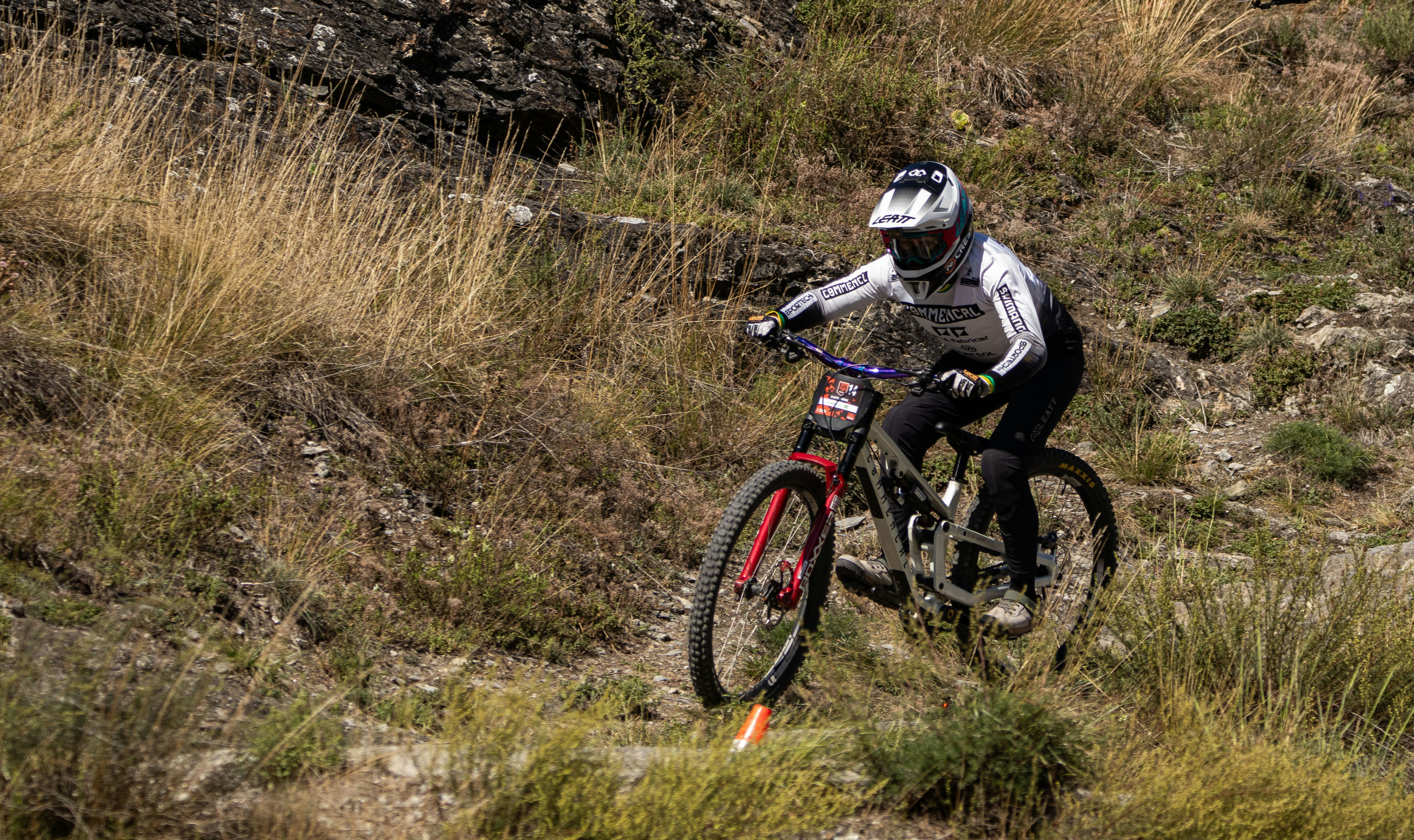
Mountain bike helmets extend coverage farther down the back and sides of your head compared to road helmets, recognizing that trail crashes often involve backwards or sideways impacts. Many modern trail helmets feature detachable visors shading your eyes and deflecting branches, MIPS as standard equipment given the high impact potential, magnetic buckles allowing one-handed operation when wearing gloves, and goggle-compatible retention systems for downhill or enduro riding.
Full-face helmets take protection further for gravity-focused disciplines. Downhill racers and bike park regulars benefit from chin bars providing facial protection, significantly more coverage and padding, and certification to both bike and sometimes motorcycle standards. The trade-off is weight (often 2+ pounds), reduced visibility and breathing compared to open-face designs, and overkill protection for cross-country or trail riding.
Urban and Commuter Helmets: Style Meets Function
Commuter helmet design emphasizes different priorities than performance-focused road or mountain lids. These helmets typically feature a more rounded, less aggressive shape fitting in at the office, integrated lights improving visibility in traffic and low-light conditions, reflective elements enhancing conspicuity, and compatibility with accessories like bike locks (some designs include U-lock-compatible reinforced vents).
However, Virginia Tech testing revealed urban helmets generally scored lower than road designs, likely because stiffer construction doesn’t absorb energy as effectively. This doesn’t mean commuter helmets are unsafe—they all meet CPSC standards—but if pure protection is your priority, a road-style helmet with MIPS often provides better performance than a urban-styled equivalent.
Smart helmets represent the cutting edge of commuter technology, featuring turn signals activated by handlebar remotes, automatic brake lights sensing deceleration, Bluetooth speakers and microphones for calls and navigation, and sometimes integrated cameras recording your rides. These features add convenience and visibility but also add weight, complexity, and price. Evaluate whether smart features genuinely enhance your commute or just add gadgetry you’ll rarely use.
E-Bike Helmets: Meeting Higher-Speed Demands
The explosive growth of e-bikes has created a new helmet category. Standard CPSC-certified helmets are tested for impacts around 14 mph, but Class 3 e-bikes provide pedal assist up to 28 mph—a significant speed differential affecting crash dynamics.
Look for NTA-8776 certification if you ride a Class 3 e-bike or consistently travel above 20 mph. These helmets provide more extensive coverage, particularly around the temples and lower back of the head, reinforced construction handling higher impact energies, and often incorporate enhanced visibility features essential when riding at vehicle speeds in traffic.
For Class 1 and 2 e-bikes (assistance to 20 mph), a quality CPSC-certified helmet with MIPS provides adequate protection, though some riders prefer the extra security of NTA-8776 certification regardless of e-bike class.
Getting the Fit Right: Sizing and Adjustment
The best helmet in the world won’t protect you if it doesn’t fit properly. Proper fit is non-negotiable—it affects both safety and comfort.

Measuring for Size
Start by measuring your head circumference. Wrap a soft measuring tape around your head about one inch above your eyebrows, keeping the tape level all the way around. Note the measurement in centimeters (most helmets use metric sizing).
Helmet size charts vary by manufacturer, but generally break down as: Small (51-55cm), Medium (55-59cm), Large (59-63cm), and X-Large (63cm+). If you’re between sizes, some experts recommend sizing down for a snugger fit, though this depends on the specific helmet’s fit system and your head shape.
The Two-Finger Rule and Proper Positioning
Once you’ve selected a size, position the helmet correctly before adjusting retention systems. The front edge should sit approximately one to two finger-widths above your eyebrows—low enough to protect your forehead but not so low it obstructs vision. The helmet should sit level on your head, not tilted back exposing your forehead or tilted forward covering your eyes.
Adjusting the Retention System
Most modern helmets use dial-adjustment systems allowing precise tension control. Turn the dial until the helmet feels snug but not uncomfortably tight. The helmet shouldn’t shift more than about an inch in any direction when you move your head vigorously.
Adjust side straps to form a “Y” shape just below your ears. The buckle should rest below your chin with about one finger’s width of space between the strap and your chin. If the straps are too loose, the helmet can rotate off your head during impact; too tight causes discomfort and chafing.
The Shake Test
Perform this simple verification: buckle your helmet, adjust everything, then shake your head vigorously side to side and front to back. The helmet should move with your head as one unit, with no independent sliding or rotating. If the helmet moves independently, tighten the retention system and/or adjust strap positioning.
If you can’t achieve a secure, comfortable fit after adjustments, try a different size or model. Head shapes vary—some brands fit rounder heads better, others suit longer, more oval head shapes. Don’t compromise on fit.
The Best Bike Helmets of 2026: Top Recommendations
Based on Virginia Tech STAR ratings, independent testing, user reviews, and value analysis, here are the standout helmets across different categories.
Best Overall Road Helmet: Smith Trace MIPS
The Smith Trace MIPS earned top marks in independent impact testing while providing excellent ventilation and fit adjustability. At around $150-180, it delivers 5-star Virginia Tech protection with Koroyd impact technology creating crumple zones similar to automotive design, excellent ventilation through 21 optimized air channels, and both headband length and vertical positioning adjustments for personalized fit.
The Trace isn’t the lightest road helmet available, but the added weight comes from enhanced safety features—a trade-off most riders should accept. One tester noted: “The impact test results are impressive, and the helmet fits my head well and looks great. An amazing combination.”
Best Value Road Helmet: Specialized Chamonix MIPS
Proving that protection doesn’t require premium pricing, the Specialized Chamonix MIPS earned a 5-star Virginia Tech rating despite costing around $75. This helmet delivers genuine high-end protection at a budget-friendly price with MIPS rotational protection as standard, adequate ventilation for most riding conditions, and straightforward adjustment system that’s easy to use.
The Chamonix trades away premium materials, ultra-light weight, and cutting-edge aerodynamics—but none of those compromises affect core safety. For recreational riders, weekend warriors, or anyone on a budget, this helmet provides exceptional value.
Best Mountain Bike Helmet: POC Tectal Race MIPS
Mountain biking demands extended coverage and robust construction. The POC Tectal delivers both with Virginia Tech’s highest marks for trail helmets. At $200-250, you get extensive coverage protecting sides and back of head, POC’s SPIN rotational protection system, adjustable visor, and exceptional ventilation despite increased coverage.
The Tectal works equally well for aggressive trail riding and all-mountain adventures. Some riders find POC’s fit system particularly comfortable for long days in the saddle—though as always, try before buying since fit preferences vary.
Best Commuter Helmet: Thousand Heritage MIPS
The Thousand Heritage combines style, safety, and practical commuter features in one package. Around $115-135, this helmet provides MIPS rotational protection, SecretPopLock allowing you to lock the helmet to your bike using a U-lock, reflective details enhancing visibility, and a clean, modern aesthetic suitable for both cycling and walking around town.
While not quite reaching 5-star Virginia Tech status, the Heritage scores solidly in testing while prioritizing features daily commuters actually use. The ability to lock your helmet prevents theft—a genuine concern when leaving your bike in public—and the styling won’t make you feel like you just stepped off the Tour de France when you walk into a meeting.
Best E-Bike Helmet: Lumos Ultra MIPS
For e-bike riders who want both high-speed protection and enhanced visibility, the Lumos Ultra (around $180-220) delivers NTA-8776 certification for speeds up to 28 mph, integrated front and rear lights with multiple visibility modes, MIPS liner for rotational impact protection, and handlebar-mounted turn signal remote (optional).
The integrated lighting eliminates the need for separate front/rear lights, though the rear light serves more as supplemental visibility than a primary high-output taillight. The NTA-8776 certification provides peace of mind for riders regularly traveling at electric-assisted speeds in traffic.
Best Budget Option: Giro Cinder MIPS
For riders wanting MIPS protection without breaking the bank, the Giro Cinder (around $70-90) provides excellent value with MIPS rotational protection, 26 vents providing solid airflow, easy-to-use Roc Loc 5 adjustment system, and styling similar to far more expensive options.
The Cinder weighs more than premium helmets and lacks cutting-edge aerodynamics, but these compromises barely matter for recreational riding. The strong adjustability means you’re more likely to achieve a comfortable, secure fit—which dramatically affects whether you’ll actually wear the helmet consistently.
Essential Helmet Features Beyond Basic Safety
Once you’ve identified helmets meeting safety standards, these features affect long-term satisfaction.
Ventilation: Staying Cool on Long Rides
Adequate ventilation matters for any ride longer than 20 minutes. More vents don’t automatically mean better cooling—vent placement, internal channeling, and air exit paths all contribute to effective airflow. Road helmets typically provide superior ventilation compared to commuter styles.
If you ride in hot climates or during summer, prioritize aggressive ventilation. Cooler climates or indoor training allow trading some airflow for other benefits like aerodynamics or integrated features.
Weight: Does It Really Matter?
Premium helmets weighing 220-280 grams feel noticeably lighter than budget options at 350-400+ grams. However, weight matters less than fit quality. A 300-gram helmet fitting perfectly feels lighter than a 250-gram model creating pressure points or shifting during rides.
Don’t obsess over weight specifications—prioritize fit and safety ratings, then consider weight as a tiebreaker between similar options.
Adjustment Systems: Dial vs. Strap
Most modern helmets use dial-based retention systems allowing one-hand adjustment and precise tensioning. These systems work well for most riders. Some minimalist helmets use simpler strap-based systems reducing weight and complexity.
Test the adjustment mechanism before purchasing. It should operate smoothly without catching, provide sufficient range for your head size, and remain secure once set.
Visor Options: Shade and Deflection
Mountain bike helmets often include adjustable or removable visors. These accessories shade your eyes from sun and overhead branches, deflect rain and mud from your face, and add a distinct aesthetic. Some riders love visors; others find them unnecessary or prefer sunglasses for eye protection.
Road and commuter helmets rarely include visors, as they can interfere with visibility in aggressive riding positions and create aerodynamic penalties.
Helmet Care and Replacement: Maintaining Protection
A helmet’s protective value diminishes over time and after impacts. Understanding when to replace helmets ensures consistent protection.
Replace After Any Impact
Consumer Reports and manufacturers recommend replacing helmets after any significant impact, even if no visible damage appears. The foam compresses during impact, reducing its ability to absorb future impacts. You can’t see this internal compression—the helmet might look fine but no longer provides full protection.
Some manufacturers offer crash replacement programs providing new helmets at discounted prices after documented crashes. Keep your receipt and registration information.
Replace Every 3-5 Years
Even without crashes, helmet materials degrade over time from UV exposure, sweat, temperature cycling, and general wear. Most manufacturers recommend replacement every 3-5 years depending on use frequency and storage conditions.
Regular riders who leave helmets in hot cars or store them in direct sunlight should replace more frequently. Occasional riders in climate-controlled storage can push toward the five-year end of the range.
Proper Storage
Extend helmet life by storing it indoors away from direct sunlight and extreme temperatures. Don’t leave helmets in cars where summer heat accelerates foam degradation. Avoid crushing helmets under heavy objects or hanging them by straps (which stretches retention systems).
Cleaning
Wash helmet pads regularly using mild soap and water, removing them if possible. Wipe down shells and straps but avoid harsh chemicals that might degrade materials. Let helmets air dry thoroughly before storing.
Common Helmet Buying Mistakes to Avoid
Don’t fall into these traps that leave riders under-protected or dissatisfied with their purchases:
Prioritizing Style Over Fit: A helmet that looks cool but doesn’t fit properly won’t protect you adequately and will sit unused in your garage. Fit first, always.
Assuming Price Equals Protection: Virginia Tech testing proved expensive helmets don’t automatically protect better than affordable options. Look at actual safety ratings rather than price tags.
Buying Without Trying: Online shopping offers selection and convenience, but buying a helmet without trying it on risks fit problems. If ordering online, verify the return policy and be prepared to exchange sizes or try different models.
Ignoring MIPS or Equivalent: The $20-40 premium for rotational impact protection is minimal compared to your brain’s value. Unless budget absolutely prohibits it, choose helmets with MIPS or similar technology.
Keeping Helmets Too Long: If you can’t remember when you bought your helmet, it’s probably time to replace it. Don’t wait for visible deterioration.
Compromising Fit for a Deal: That closeout model at 50% off isn’t a bargain if it doesn’t fit properly. Pay full price for the right helmet rather than accepting a poor fit to save money.
Making Your Final Decision
Choosing the best bike helmet requires balancing safety, fit, features, and budget:
Step 1: Determine your primary cycling discipline and typical riding conditions. Road, mountain, commuter, and e-bike riding benefit from different helmet designs.
Step 2: Establish budget but remember this is safety equipment protecting your brain. Adequate helmets start around $70-90; spending $100-200 gets you premium protection and features.
Step 3: Identify helmets in your category with Virginia Tech STAR ratings of 4-5 stars. This narrows options to proven protectors.
Step 4: Verify helmets include MIPS or equivalent rotational protection. This technology demonstrably improves safety based on independent testing.
Step 5: If riding a Class 3 e-bike or regularly exceeding 20 mph, prioritize NTA-8776 certified helmets designed for higher-speed impacts.
Step 6: Try multiple brands and models. Head shapes vary—a perfect-fit helmet for your riding buddy might feel terrible on your head. Don’t compromise on fit.
Step 7: Perform the shake test and verify all adjustments work properly and feel comfortable during a test ride if possible.
Step 8: Register your helmet with the manufacturer. This enables crash replacement programs and recall notifications if safety issues emerge.
Remember: the best helmet is the one you’ll actually wear on every ride. A $200 premium helmet sitting at home provides zero protection. Choose a helmet you find comfortable and that you’ll wear consistently—that’s more valuable than marginal differences in test scores.
Frequently Asked Questions
Q: Do I really need MIPS or rotational protection in my bicycle helmet?
Not all helmets are created equal when managing rotational velocity during a crash. Our testing and research shows that helmets that offer MIPS or similar systems provide superior protection in the event of a crash. Among our top picks for 2025, the best helmet options feature rotational technology from brands like Leatt and Bontrager. The added protection costs only $20-40 extra—a smart investment for any cyclist, from casual bike ride enthusiasts to professional mountain bikers.
Q: How do I ensure proper helmet fit?
Helmet fit is critical for head protection. Position your new bike helmet with the front edge about two finger-widths above your eyebrows. Measure around the largest part of your head, then adjust the straps to form a “Y” shape below your ears. The fidlock buckle should rest below your chin with one finger’s width of space. Modern in-mold construction includes retention systems near the back of the helmet for precise tension. Expert advice: perform the shake test—your helmet should move as one unit with your head. Overall comfort matters because proper protection only works if you wear it consistently while riding bikes.
Q: What’s the difference between MTB helmets and road bike helmets?
The type of riding determines your helmet choice, as many helmets serve specific purposes. Road bike helmets prioritize lightweight design with maximum airflow for aerodynamic positions. A mountain bike helmet extends coverage down the back of the helmet and sides, often including an integrated visor. For aggressive downhill riding, a full face helmet provides complete protection using EPS foam and EPP foam construction. Our bike helmet review found that specialty helmets like those from Leatt combine MTB-specific coverage with advanced safety features. The best helmet matches your riding style.
Q: How often should I replace my bicycle helmet?
Replace your bike helmet immediately after any crash, even without visible damage. The helmet comes with EPS foam that compresses during impact, reducing future added protection. For helmets without crashes, replace every 3-5 years. In 2025, even the best bike helmet degrades from UV exposure and sweat. If you’re riding bikes regularly in hot climates, lean toward three-year replacement. A professional mountain biker should replace more frequently than someone taking an occasional bike ride. If you can’t remember buying it, get a new bike helmet.
Q: Are expensive helmets actually safer?
Bike helmet ratings prove price doesn’t predict safety. Our testing and research found $75 helmets earning 5-star ratings in our bike helmet review while some $200+ models scored lower. Premium pricing buys weight savings, superior ventilation, in-mold construction quality, and overall comfort—not necessarily better head protection. Specialty helmets from Bontrager and Leatt may include fidlock buckle systems and better adjusters. Expert advice: focus on bike helmet ratings, MIPS protection, and fit. The best helmet is one you’ll wear every ride. Comfort and durability encourage consistent use, which matters more than marginal test differences.
Q: Do I need a special helmet for e-bike riding?
Standard bike helmets are tested for 14 mph impacts, but Class 3 e-bikes assist to 28 mph—affecting the type of rotational forces in the event of a crash. For riders exceeding 20 mph on their new bike, look for NTA-8776 certified specialty helmets with extra coverage around the back of the helmet and reinforced EPS foam or EPP foam construction. For Class 1 and 2 e-bikes (to 20 mph), a quality helmet with MIPS provides adequate head protection. Many helmets now include features for e-bike riders. The mountain biker transitioning to e-MTB should consider whether their existing MTB helmet provides sufficient coverage.