Best Bike Lock 2026: Complete Guide to Protecting Your Bike From Theft
Every cyclist’s worst nightmare: walking to where you locked your bike, only to find an empty space and severed lock remnants. According to bicycle theft statistics, over 2 million bicycles are stolen annually across the United States and Canada, with recovery rates hovering around a dismal 15 percent. Bike theft costs North American communities more than $1.4 billion each year.
The harsh reality? Your bike is vulnerable every time you lock it up. But here’s the empowering truth: choosing the right bike lock and using proper locking techniques dramatically reduces your theft risk. Most bike thieves are opportunists seeking the easiest target—they’ll skip your properly secured bike for one with a flimsy cable lock or careless locking job.
This comprehensive guide walks you through everything you need to know about bike locks in 2026: understanding security ratings, choosing between lock types, identifying the best locks for different scenarios, and mastering professional locking techniques that actually stop thieves.
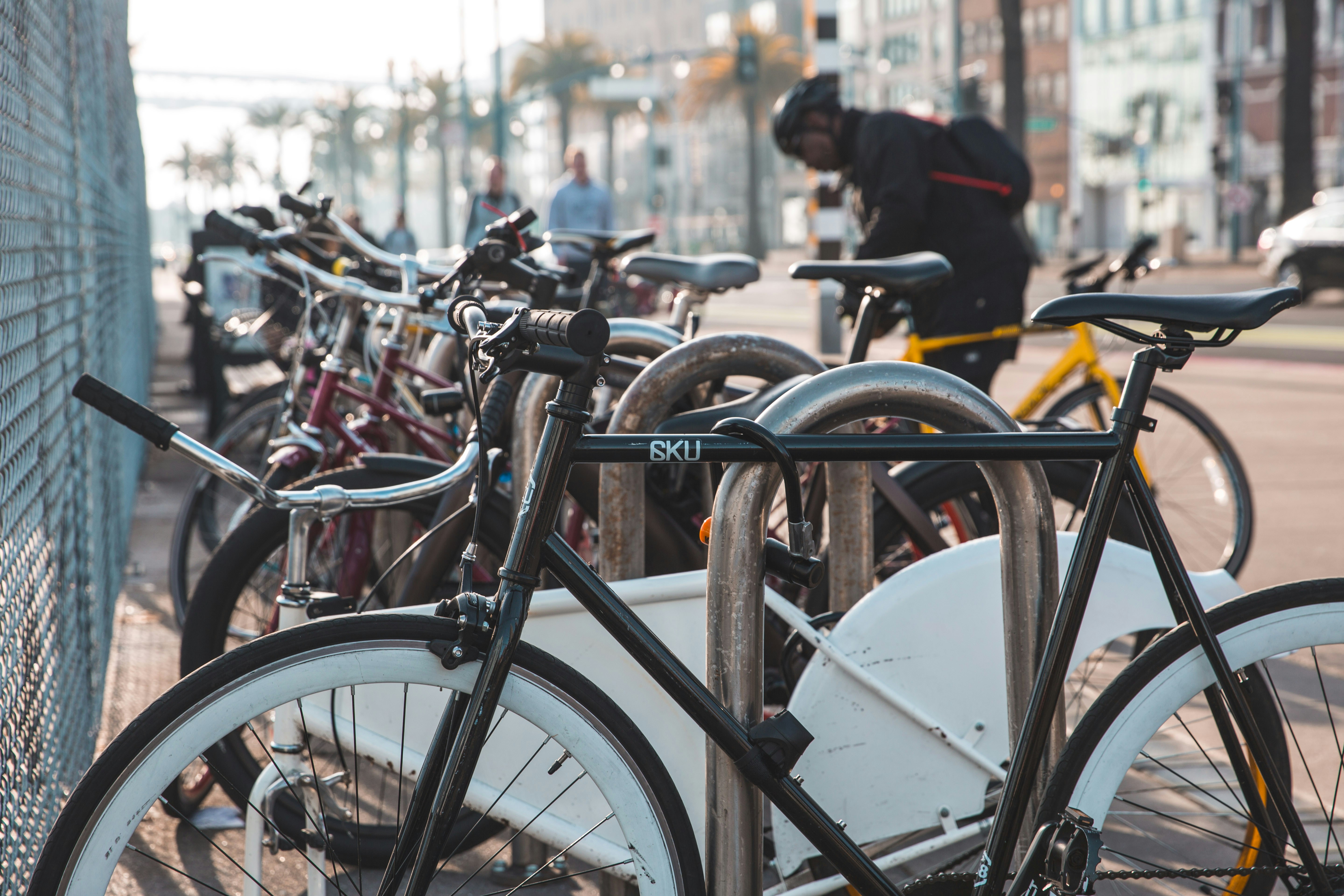
Understanding Bike Lock Security Ratings: Your Foundation
Before comparing specific locks or brands, you need to understand how bike lock security is measured. Without this knowledge, you’re shopping blind, vulnerable to marketing claims that don’t reflect real-world security.
The Sold Secure Rating System
Sold Secure is an independent testing organization based in the United Kingdom that has become the global standard for bike lock security ratings. Lock manufacturers submit their products to Sold Secure, which then attempts to defeat them using methods identified through consultation with law enforcement and analysis of theft trends.
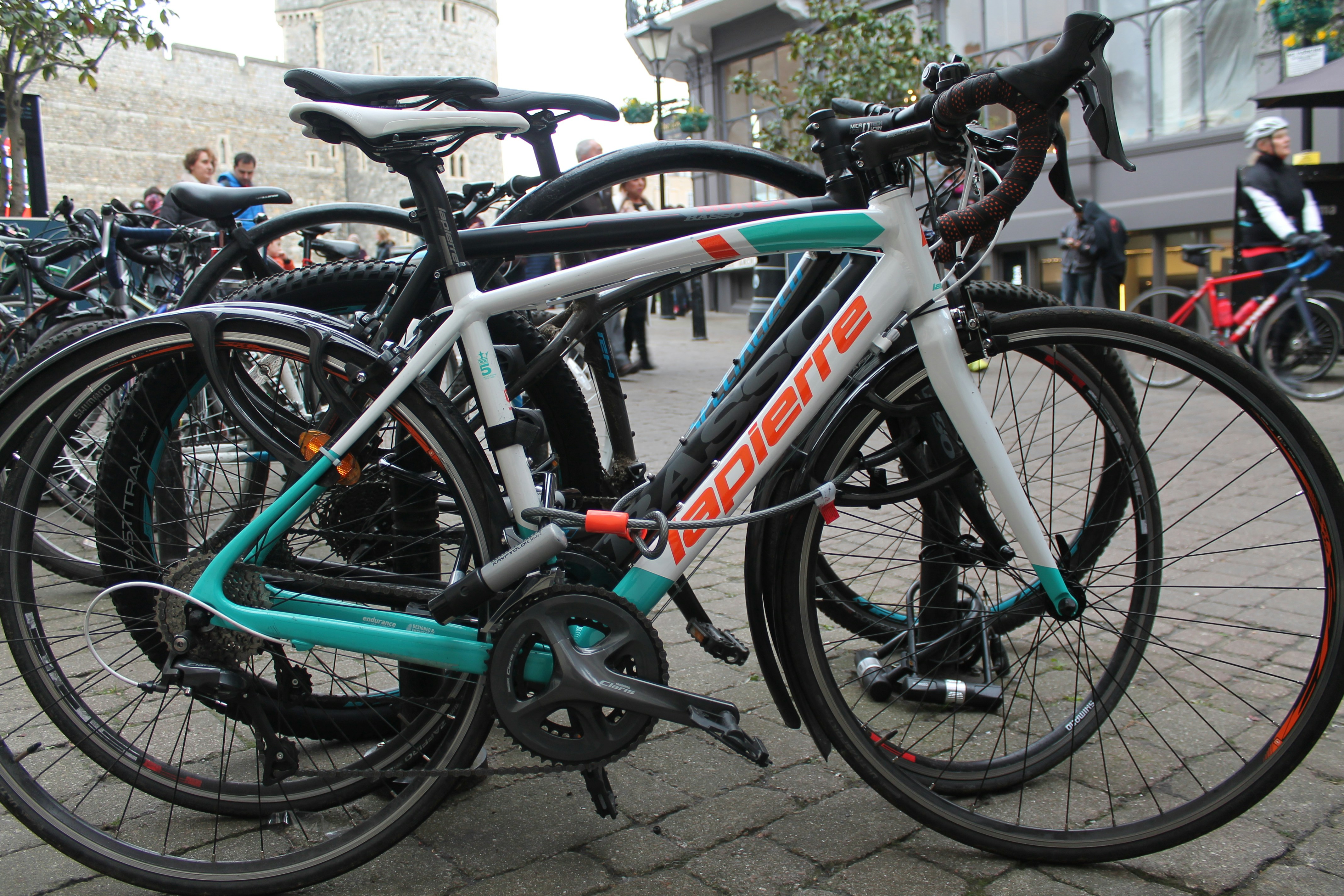
Sold Secure rates locks on a four-tier system:
Bronze: Offers basic theft resistance for at least one minute against simple tools like wire cutters and screwdrivers. Bronze locks deter opportunistic thieves who lack specialized tools or time. They’re suitable for very low-risk areas, quick stops where you maintain visual contact with your bike, or as secondary locks securing accessories.
Silver: Provides intermediate security against tool attacks lasting several minutes. Silver-rated locks balance cost and security, making them appropriate for moderate-risk areas, daylight parking in populated locations, or bikes valued under $500.
Gold: Delivers significant protection against dedicated thieves with a comprehensive tool kit including bolt cutters, hacksaws, and prying implements. Gold-rated locks are necessary for high-theft urban areas, overnight parking, or bikes valued at $500-2,500. Most serious cyclists should consider Gold their minimum standard.
Diamond: The highest security tier, tested against specialist destruction tools including angle grinders for 1.5 minutes of cutting resistance. Diamond-rated locks protect high-value bikes, e-bikes worth thousands, or any bike in extremely high-risk environments.
Brand-Specific Rating Systems
Major lock manufacturers like Kryptonite and Abus maintain their own internal security rating scales, typically ranging from 1-10 or 1-15. While these help compare locks within a brand’s lineup, they’re not independently verified and can’t be reliably compared across brands. Always prioritize Sold Secure ratings when evaluating security claims.
The 10% Rule: How Much Should You Spend?
Security experts recommend investing approximately 10% of your bike’s value in locks and security measures. For a $2,000 bike, that means budgeting $200 for your locking system—which might include a primary lock, secondary cable, and possibly GPS tracking. This guideline ensures your security investment is proportionate to what you’re protecting.
Lock Types Explained: Strengths and Weaknesses
Bike locks come in several distinct formats, each with unique advantages and limitations. Understanding these differences helps you match the right lock type to your specific needs.
U-Locks (D-Locks): The Security Standard
U-locks feature a rigid metal shackle forming a “U” shape that passes through your bike and around a fixed object, secured by a crossbar. U-locks are widely considered the gold standard for bicycle security, offering exceptional resistance to cutting, prying, and leverage attacks.
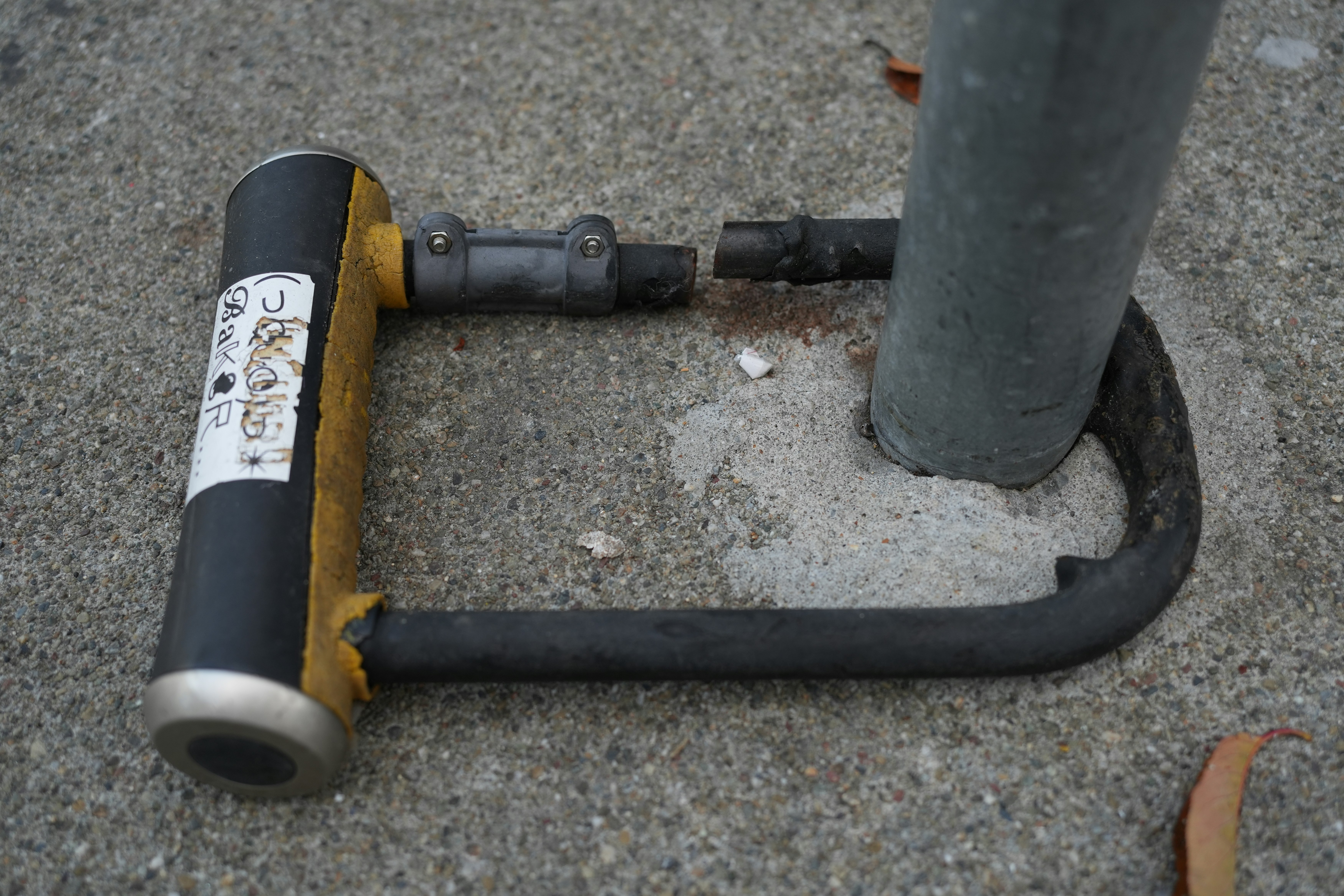
U-Lock Advantages:
The rigid construction leaves minimal space inside the shackle for thieves to insert prying tools or gain leverage. Quality U-locks use hardened steel that resists bolt cutters and angle grinders far better than cables or thin chains. They’re also relatively lightweight and compact compared to equivalent-security chain locks, making them practical for daily commuting.
Modern U-locks often include anti-rotation features preventing the shackle from spinning during attack attempts, double-locking mechanisms that secure both ends of the shackle independently, and protective coatings minimizing paint damage to your bike frame.
U-Lock Limitations:
The rigid shape can be restrictive—smaller U-locks may not fit around some bike racks or thick posts, and you can typically only secure your frame and one wheel with a single U-lock. Some bike thieves specifically target U-locks with leverage attacks using car jacks or large pry bars, though quality models with minimal internal space resist this effectively.
Best U-Lock Options:
For maximum security, the Litelok X1 features a Barronium composite fused to hardened steel, earning Diamond Sold Secure rating while resisting angle grinder attacks. At around $200, it represents premium protection for high-value bikes.
The Kryptonite New York series offers Gold-rated security with 16mm hardened steel shackles and double deadbolt design at the $100-150 price point—an excellent balance of security and value for most urban cyclists.
Budget-conscious riders can find reliable Gold-rated options like the Kryptonite Evolution series or ABUS Granit for $60-80, providing solid security without premium pricing.
Chain Locks: Flexibility With Weight
Chain locks consist of hardened steel links covered in protective fabric, secured by a padlock or integrated locking mechanism. They offer supreme flexibility for creative locking scenarios but trade that convenience for significantly more weight.
Chain Lock Advantages:
The flexible nature allows you to wrap chains through both wheels, your frame, and around irregular shapes like thick trees or multiple bikes simultaneously. Quality chain locks with thick links (12mm+) provide excellent cut resistance, and their length gives you more locking options than rigid U-locks.
Chains work particularly well for home security where weight isn’t a concern, securing expensive wheels and components that quick-release mechanisms make vulnerable, and locking multiple bikes to a single anchor point.
Chain Lock Limitations:
Weight is the primary disadvantage—a secure 4-foot chain often weighs 8-12 pounds. Chains also occupy significant space in bags or panniers. Lower-quality chains with thin links or soft steel offer false security, easily defeated by bolt cutters despite their intimidating appearance.
Best Chain Lock Options:
The OnGuard Mastiff chain ($80-120) provides Gold Sold Secure rating with 11mm hardened steel links at a more manageable weight than premium competitors. The Kryptonite New York chain ($120-180) offers maximum security with 15mm links for high-value bikes where weight isn’t a concern.
Folding Locks: Compact Versatility
Folding locks consist of several steel bars connected by rivets, folding accordion-style into compact packages. They’ve gained popularity for balancing security, portability, and flexibility, though they occupy a middle ground rather than excelling in any single category.
Folding Lock Advantages:
When folded, these locks are remarkably compact—often small enough to fit in jersey pockets or mount discreetly on your frame using included brackets. Unfolded, they provide surprising length and flexibility for wrapping around various locking points. Quality folding locks achieve Gold Sold Secure ratings, making them legitimate security tools rather than just convenient accessories.
Folding Lock Limitations:
The riveted connections represent potential weak points that determined thieves can attack. Folding locks don’t typically reach Diamond security ratings, so they’re not ideal for highest-risk scenarios. They also cost more per unit of security compared to U-locks.
Best Folding Lock Options:
The ABUS Bordo Granit 6500 achieves Gold rating with 5.5mm bars in a surprisingly portable package. At $150-180, it’s expensive but beloved by cyclists prioritizing portability alongside security.
Cable Locks: Deterrence Only
Let’s be direct: cable locks should never be your primary security. Bike theft statistics show that approximately 90% of stolen bikes were secured only with cable locks. Even thick cables can be cut in seconds with bolt cutters.
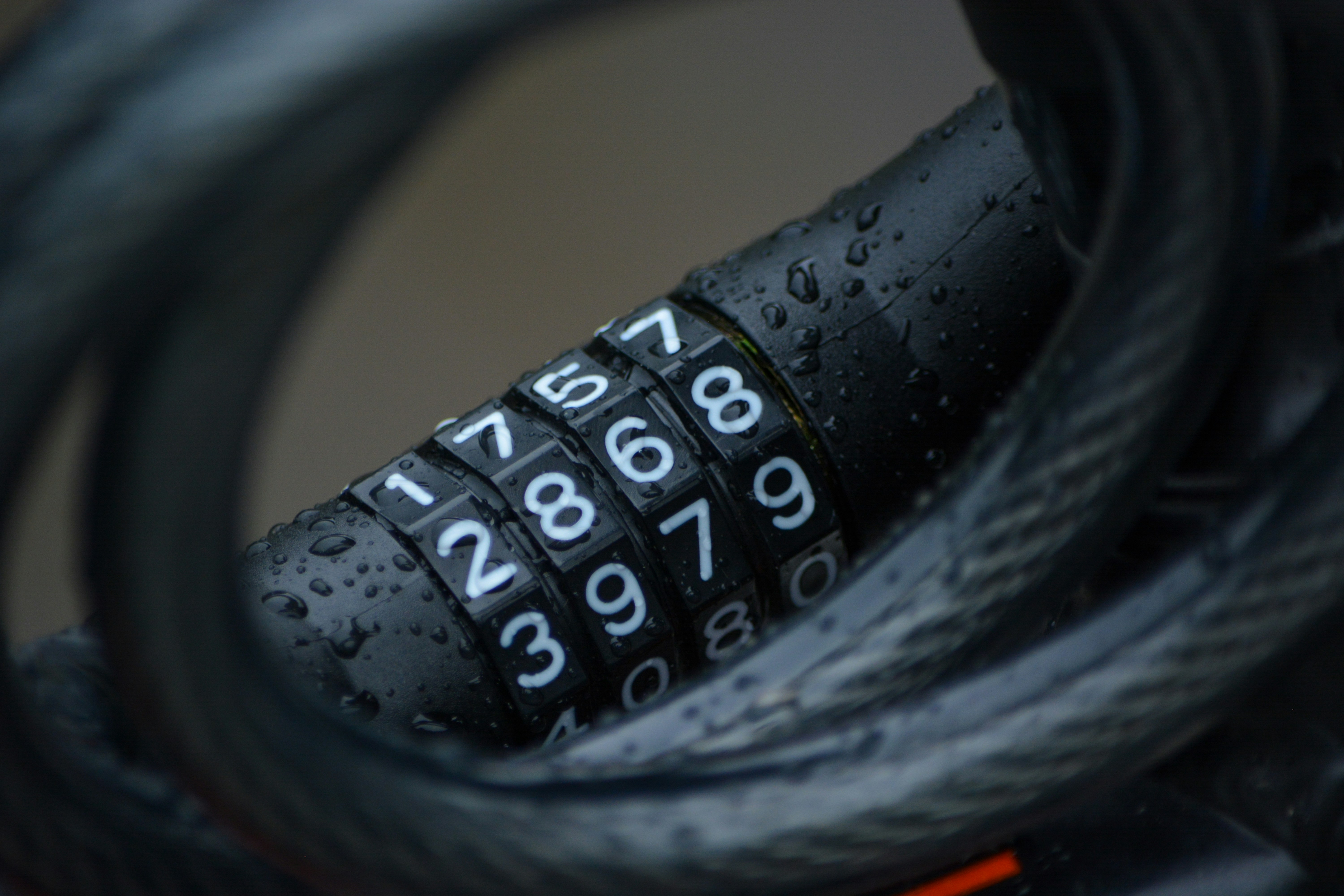
When Cable Locks Make Sense:
Use cables exclusively as secondary locks securing components, for extremely low-risk quick stops where you maintain visual contact, or in conjunction with a primary U-lock or chain to secure your front wheel.
Never rely on cables alone for any bike worth more than $50 or any situation where you can’t see your bike continuously. The convenience isn’t worth the near-certainty of theft.
The Best Bike Locks of 2026: Top Recommendations
Based on security testing, real-world performance, and value considerations, here are the top bike locks across different categories and price points.
Best Overall: Litelok X3
The Litelok X3 hits the sweet spot of angle grinder resistance and portability. Its Barronium composite construction requires multiple grinding discs to defeat, buying precious time that sends most thieves looking for easier targets. At $180-200, it’s expensive but provides genuine Diamond-level protection in a wearable package.
Best Value U-Lock: Kryptonite Evolution Mini-7
For around $60-70, the Evolution Mini-7 delivers Gold Sold Secure security with 13mm hardened steel shackle. It includes a frame mount, two keys, and Kryptonite’s excellent warranty program. The compact size fits easily in bags while providing adequate locking area for frame and rear wheel attachment.
Best Chain Lock: OnGuard Mastiff Chain
Available in multiple lengths, the Mastiff offers Gold security with 11mm hardened steel links and protective sleeve preventing paint damage. At $80-120 depending on length, it provides excellent value for cyclists needing flexibility or home storage security.
Best Folding Lock: ABUS Bordo Granit 6500
This Gold-rated folding lock combines security with exceptional portability. The 5.5mm bars and secure rivets resist most attacks while folding to an incredibly compact size. Though pricey at $150-180, it’s ideal for cyclists prioritizing versatility.
Best Budget Option: Kryptonite KryptoLok Series 2
Around $40-50, this lock provides Silver Sold Secure rating with 13mm shackle—adequate security for short stops in moderate-risk areas or bikes valued under $500. It’s a sensible entry point for budget-conscious cyclists who need better protection than cables offer.
Best for E-Bikes: Hiplok DX1000
E-bikes demand premium security matching their high values. The Hiplok DX1000 achieves Diamond rating with its anti-angle-grinder construction. At $300-350, it’s expensive, but so is replacing a $3,000+ e-bike. For electric bike owners, this represents money well spent.
Professional Locking Techniques: Using Your Lock Correctly
Even the best lock fails if used improperly. These professional techniques dramatically improve your security regardless of which lock you own.
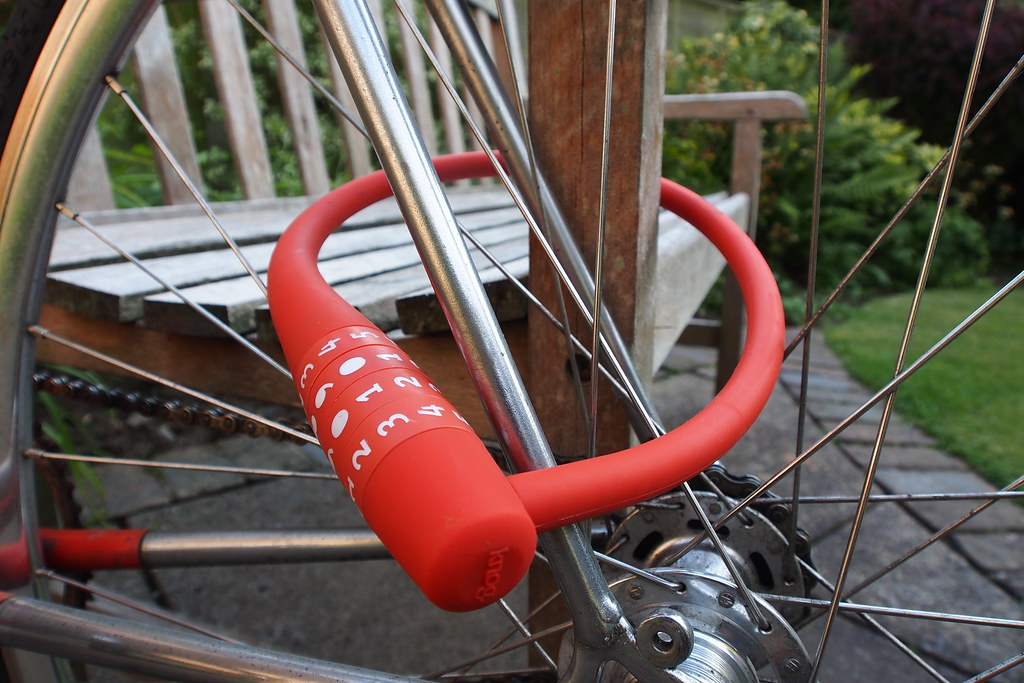
The Sheldon Method: Maximum Frame Protection
Named after bicycle guru Sheldon Brown, this technique secures your frame and rear wheel simultaneously with a single U-lock. Pass the lock through the rear triangle (between the seat tube and chain stay), capturing the rear wheel and frame, then secure to a fixed object.
This method works because the rear wheel is trapped by the chain and can’t be removed without breaking the lock. Thieves must cut the lock to steal anything valuable, and if they only cut the wheel, the frame—the expensive part—remains secured.
Fill the Lock Space
Minimize empty space inside your lock shackle. Thieves exploit gaps to insert prying tools or jacks for leverage attacks. Use a lock size that fits snugly around your bike and the object you’re securing to, or combine with a secondary cable to fill excess space.
Lock to Immovable Objects
This seems obvious but is frequently violated. Your lock must attach to something that can’t be lifted, cut, unscrewed, or disassembled. Secure bike racks are ideal. If using posts or rails, ensure they’re deeply anchored and can’t be lifted over. Avoid temporary fencing, thin signposts, or anything with removable parts.
Lock Off the Ground
Position locks at least 12 inches off the ground. This prevents thieves from gaining leverage by pushing down against the pavement while attacking the lock. Higher positioning also makes angle grinder attacks more awkward and visible.
Remove Quick-Release Components
If your wheels or seat use quick-release mechanisms, either replace them with security skewers requiring special tools or use secondary locks securing these components. Quick-release parts are prime targets because they’re rapidly removed without attacking your main lock.
Park Strategically
Location matters as much as lock quality. Well-lit, high-traffic areas with natural surveillance deter thieves who fear being witnessed. Avoid isolated spots, blind alleys, or areas where someone could work unobserved for extended periods.
Layered Security: Beyond Just a Lock
The most effective security strategies use multiple protective measures creating overlapping barriers to theft.
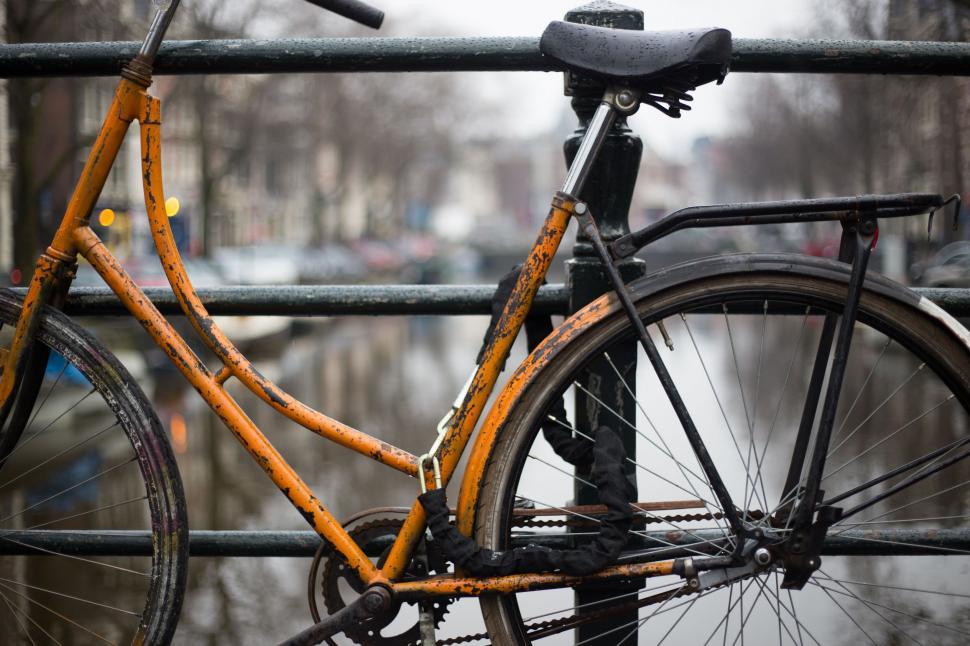
The Two-Lock System
Using two different lock types forces thieves to carry and use multiple tools, multiplying time and effort required. Pair a U-lock securing your frame and rear wheel with a chain or cable protecting your front wheel. This combination handles most real-world scenarios effectively.
GPS Tracking: Recovery Insurance
While GPS trackers don’t prevent theft, they dramatically improve recovery odds. Modern devices like Apple AirTags or specialized bike trackers hide discretely in your frame, seatpost, or under components. If your bike is stolen, you can track its real-time location and provide precise information to police.
Bike Registration: Identification Matters
Register your bike with services like Bike Index or 529 Garage. Registration creates permanent records including serial numbers and photos, making stolen bikes identifiable and resalable more difficult. Some insurance policies require registration for theft claims.
Home Storage Security
Most bikes are actually stolen from homes, garages, or sheds—not from street parking. Use quality locks even at home, secure your bike to immovable anchors, and consider alarm systems for high-value bikes. Don’t assume your garage or storage room provides adequate protection alone.
Special Considerations for Different Riders
Your ideal locking strategy depends on your specific cycling situation.
Commuters: Balance Security and Convenience
Daily commuters need locks they’ll actually carry and use every day. A mid-weight U-lock or folding lock achieving Gold rating provides adequate security without excessive bulk. For urban commuters, consider keeping a heavier chain lock at your workplace for all-day parking while carrying a lighter U-lock for errands and quick stops.
Mountain Bikers: Trailhead Security
Mountain bikes face unique theft risks at trailheads. Consider cable locks as minimum deterrents for quick trail access, but never rely on them for longer periods. Some riders lock bikes to each other’s bikes in groups, making theft more complicated. Always remove easily-stolen accessories like bike computers and lights.
Road Cyclists: Café Stop Protection
Road cyclists typically carry minimal gear, making heavy locks impractical. Lightweight folding locks or compact U-locks provide reasonable café-stop security. However, never leave high-end road bikes unattended for extended periods—even the best portable lock won’t defeat a determined thief with time.
E-Bike Owners: Premium Protection Required
E-bikes demand premium security matching their high values. Invest in Diamond-rated locks, use multiple locks, and strongly consider GPS tracking. E-bike batteries are also theft targets—either remove them or secure with separate locks when leaving your bike.
Common Mistakes That Compromise Security
Even with quality locks, these common errors leave bikes vulnerable:
Locking Only the Wheel: Thieves simply unbolt or cut the wheel, stealing the frame—the valuable part. Always secure the frame.
Using Inadequate Secondary Locks: Pairing a Gold U-lock with a cheap cable defeats the purpose. Your security is only as strong as your weakest lock.
Leaving Bikes Overnight in Public: Extended time gives thieves opportunity to work methodically. Even Gold locks can be defeated with enough time and the right tools.
Predictable Parking Patterns: Parking in the same location daily lets thieves scout your bike and plan theft. Vary your parking spots when possible.
Trusting Indoor “Secure” Parking: Many building bike rooms aren’t actually secure. Use locks even in these spaces—opportunistic theft from residents or maintenance workers happens frequently.
Frequently Asked Questions
Q: What’s the best bike lock to prevent my bike from being stolen with an angle grinder?
The Kryptonite New York Fahgettaboudit and Litelok X3 are currently the best bike locks of 2025 for angle grinder resistance. These heavy duty locks feature hardened steel or composite materials requiring multiple grinding discs to cut through, buying crucial time that sends thieves looking for easier targets. While no lock is completely angle grinder-proof, these stronger locks provide maximum protection available. For high-value bikes or high-theft areas, pairing one of these with a second lock creates layered bike security that deters most bike theft attempts.
Q: How do I choose the right bike lock for the value of my bike?
Follow the 10% rule: spend about 10% of your bike’s value on locks. For a $500 value bike, a $50 Kryptonite U lock or Abus Granit provides adequate bike security. A $2,000 bike deserves a $200 investment in the best lock you can find—like the Kryptonite New York series or Abus folding lock with Gold or Diamond ratings. For a beater bike worth under $300, budget locks with Silver rating suffice. The key is matching lock quality to what you’re protecting—it’s not worth securing your new bike with a cheap lock that doesn’t actually protect your bike from determined thieves.
Q: Should I use one strong lock or two locks to secure my bike?
Two locks are better than one bike lock alone because thieves must carry different tools to defeat both. Use a U lock to lock the frame and rear wheel to an immovable object, then add a chain or cable to lock the wheel and accessories. This combination keeps your bike far more secure than relying on a single lock, even a stronger lock. Testing bike locks shows that layered security dramatically increases theft difficulty. Even if one lock isn’t the highest-rated, having two locks on both sides of your bike forces thieves to spend more time, making them choose easier targets.
Q: Are Kryptonite locks really better than other brands, or is it just marketing?
Kryptonite locks earn their reputation through independent testing and real-world performance. The Kryptonite New York Fahgettaboudit consistently ranks among locks with the highest security ratings, and their warranty program backs up quality claims. However, brands like Abus Granit, OnGuard locks, and Litelok also produce the best bike locks on the market. The lock company matters less than the actual security rating—look for Sold Secure Gold or Diamond certification regardless of brand. A better quality lock from any reputable manufacturer beats a cheap lock every time.
Q: What type of lock should I get for my city commuter versus my mountain bike?
Your lock choice depends on the type of bike and where you leave it. For daily urban commuting, get a Gold-rated U lock like Kryptonite or Abus that balances security and portability—you need a lock that’s strong enough to protect your bike during 8-hour workday parking. For mountain biking trailhead stops, wearable locks or standard folding locks provide adequate deterrence for shorter periods. Don’t leave a bike overnight with just one lock regardless of type. The best bike lock for you matches your specific use case and the value bike you’re protecting.
Q: Will a folding lock or U-lock better secure my bike against theft?
Quality U locks generally provide stronger protection than most folding locks because they have fewer potential weak points. The rigid shackle of a U lock resists leverage attacks better than the riveted bars of an Abus folding lock. However, a secure folding lock with Gold rating still offers legitimate bike security and superior portability—it’s easier to find the best bike lock solution when considering how you’ll actually carry it. For a beater bike or quick stops, either lock type works. For overnight parking or high-value bikes, choose a heavy duty U lock like the Kryptonite New York series that keeps the lock from being defeated by common tools.