Electric Bike Buying Guide: Everything You Need to Know Before Buying an E-Bike

Electric bikes have revolutionized how people think about cycling. What once seemed like a niche product for tech enthusiasts has become a mainstream transportation solution embraced by commuters, recreational riders, and cycling purists alike. According to research, eleven percent of Americans rode an e-bike between February 2023 and February 2024—a number that continues to grow as cities invest in cycling infrastructure and manufacturers refine their offerings.
The appeal is straightforward: e-bikes remove the traditional barriers to cycling without eliminating the experience itself. They make longer commutes feasible, flatten intimidating hills, help riders arrive fresh rather than sweaty, and enable people of varying fitness levels to ride together comfortably. Yet with hundreds of models flooding the market, ranging from $400 budget options to $15,000 premium machines, choosing the right electric bike requires understanding several critical factors.
This comprehensive guide walks you through everything you need to know before buying an e-bike in 2025, from understanding motor types and battery capacity to navigating the three-class system and identifying which features genuinely enhance your riding experience.
Understanding E-Bike Classes: The Foundation of Your Decision
Before exploring specific features or models, you must understand how e-bikes are classified. The three-class system standardizes e-bike regulations across most U.S. states, determining where you can legally ride and what features your bike can include.
Class 1 E-Bikes: Pedal-Assist Only
Class 1 e-bikes provide motor assistance only when you’re pedaling, with assistance cutting off at 20 mph. These bikes have no throttle—the motor responds solely to your pedaling effort. Class 1 bikes are generally permitted on bike paths, multi-use trails, and roads, making them the most versatile for recreational riding and trail access.
The riding experience on Class 1 e-bikes feels natural and intuitive. You’re still cycling in the traditional sense; the motor simply amplifies your effort. This makes Class 1 bikes ideal for riders who want exercise benefits alongside motor assistance, those seeking maximum trail access, and anyone prioritizing a bike-like experience over maximum speed.
Class 2 E-Bikes: Throttle-Equipped
Class 2 e-bikes combine pedal assist with throttle capability, both capped at 20 mph. The throttle allows the motor to propel the bike without pedaling—simply twist the grip or press the thumb lever, and the motor engages. You can choose to pedal with assistance, use pure throttle mode, or switch between both approaches.
This versatility makes Class 2 bikes excellent for urban commuting where stop-and-go traffic benefits from instant acceleration, riders with mobility limitations who need occasional no-pedal operation, and anyone wanting flexibility in how they use motor assistance. However, some bike paths and natural trails restrict or prohibit throttle use, so check local regulations before purchasing.
Class 3 E-Bikes: High-Speed Pedal Assist
Class 3 e-bikes provide pedal assist up to 28 mph and must include a speedometer. Originally, Class 3 bikes couldn’t include throttles, though regulations vary by state. The higher speed capability makes Class 3 bikes popular with commuters covering longer distances, riders replacing car trips with cycling, and anyone prioritizing speed and efficiency.
Most states require riders to be at least 16 years old for Class 3 e-bikes, and helmet use is often mandatory. These bikes are typically restricted to roads and bike lanes rather than multi-use paths. Despite restrictions, Class 3 represents the fastest-growing segment as commuters discover that 28 mph assistance transforms cycling into a viable car alternative for distances up to 15-20 miles.
Navigating State Variations
While most states follow the three-class framework, regulations differ significantly. California recently tightened its e-bike laws, prohibiting throttles on Class 1 and Class 3 bikes except for a walking-speed (3.7 mph) function. New York, Oregon, Pennsylvania, and other states maintain their own variations. Always verify your state’s specific regulations before purchasing—what’s legal in one state may be restricted in another.
Motor Types: Hub Drive vs Mid-Drive
The motor represents your e-bike’s heart, fundamentally affecting performance, ride feel, efficiency, and maintenance. Two main motor configurations dominate: hub-drive motors (mounted in the wheel hub) and mid-drive motors (mounted at the bike’s bottom bracket where the cranks attach).
Hub-Drive Motors: Simple and Effective
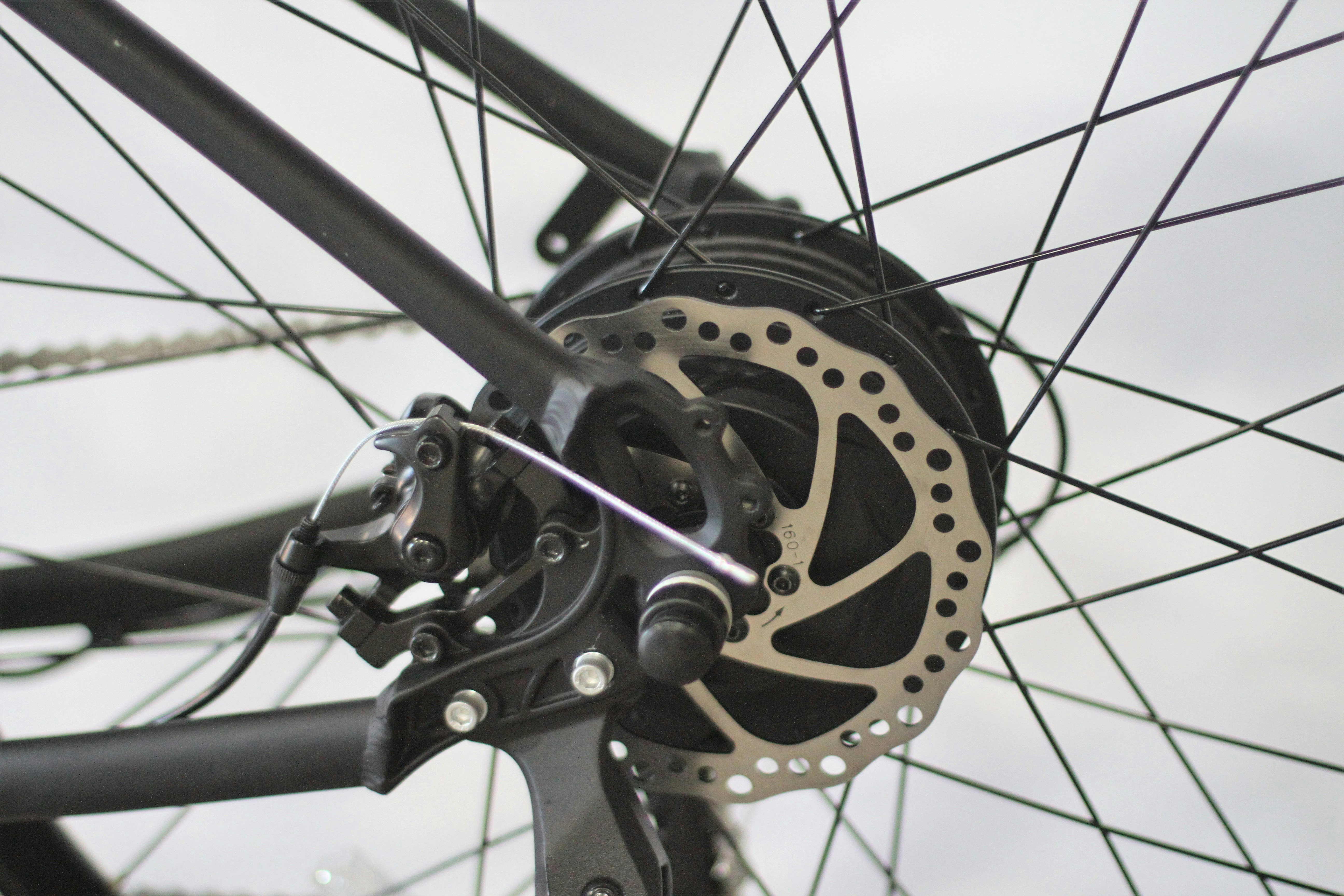
Hub-drive motors sit inside either the front or rear wheel hub (rear hub placement is more common). These motors provide direct power to the wheel, creating straightforward, reliable assistance. Hub motors excel in several areas:
Simplicity: Fewer moving parts mean less maintenance. Hub motors don’t interact with your drivetrain, so chain and cassette wear no faster than on traditional bikes.
Cost-Effectiveness: Hub motors typically cost less to manufacture, keeping bike prices lower. Most e-bikes under $2,000 use hub-drive systems.
Silent Operation: Quality hub motors run nearly silently, creating a smooth, unobtrusive riding experience.
Independent Operation: Because hub motors don’t rely on gearing, they deliver consistent power regardless of what gear you’re in. The throttle (on Class 2 bikes) works independently of pedaling.
However, hub motors have limitations. Weight distribution shifts toward whichever wheel houses the motor, potentially affecting handling. Hub motors also work less efficiently on steep hills compared to mid-drive systems, as they can’t leverage your bike’s gearing. For flat to moderate terrain, though, hub motors perform excellently at an attractive price point.
Mid-Drive Motors: Premium Performance
Mid-drive motors mount at the bottom bracket, powering the bike through the chain and drivetrain. This central mounting position creates several advantages:
Superior Hill Climbing: Mid-drive motors utilize your bike’s gears, allowing you to shift to appropriate ratios for terrain. This makes climbing steep grades dramatically easier and more efficient.
Better Weight Distribution: Centering the motor’s weight low and in the middle creates balanced, natural-feeling handling that mimics traditional bike geometry.
Increased Efficiency: By working through the drivetrain, mid-drive motors extract maximum performance from each watt of battery power, extending range compared to equivalent hub motors.
Natural Ride Feel: Many riders find mid-drive assistance feels more organic and responsive, as power delivery follows pedaling cadence and intensity through the bike’s gearing system.
The trade-offs? Mid-drive motors cost more to manufacture, increasing bike prices. They also accelerate drivetrain wear since all motor power transmits through the chain, cassette, and derailleur. Budget for more frequent chain and cassette replacements if choosing mid-drive. However, for serious riders tackling varied terrain, mid-drive motors justify their premium through superior performance and efficiency.
Which Motor Type Is Right for You?
Choose hub-drive motors if you’re primarily riding flat to moderate terrain, want lower maintenance requirements, value simplicity and lower cost, or plan primarily urban commuting on relatively flat routes.
Choose mid-drive motors if you’re frequently climbing significant hills, want maximum efficiency and range, prefer the most natural-feeling ride quality, or plan long-distance touring or recreational riding on varied terrain.
Battery Capacity and Range: Understanding What Matters
Battery specifications can seem overwhelming with numbers like “48V 14Ah” or “672Wh capacity.” Understanding what these figures actually mean helps you assess whether a given e-bike meets your range requirements.
Decoding Battery Specifications
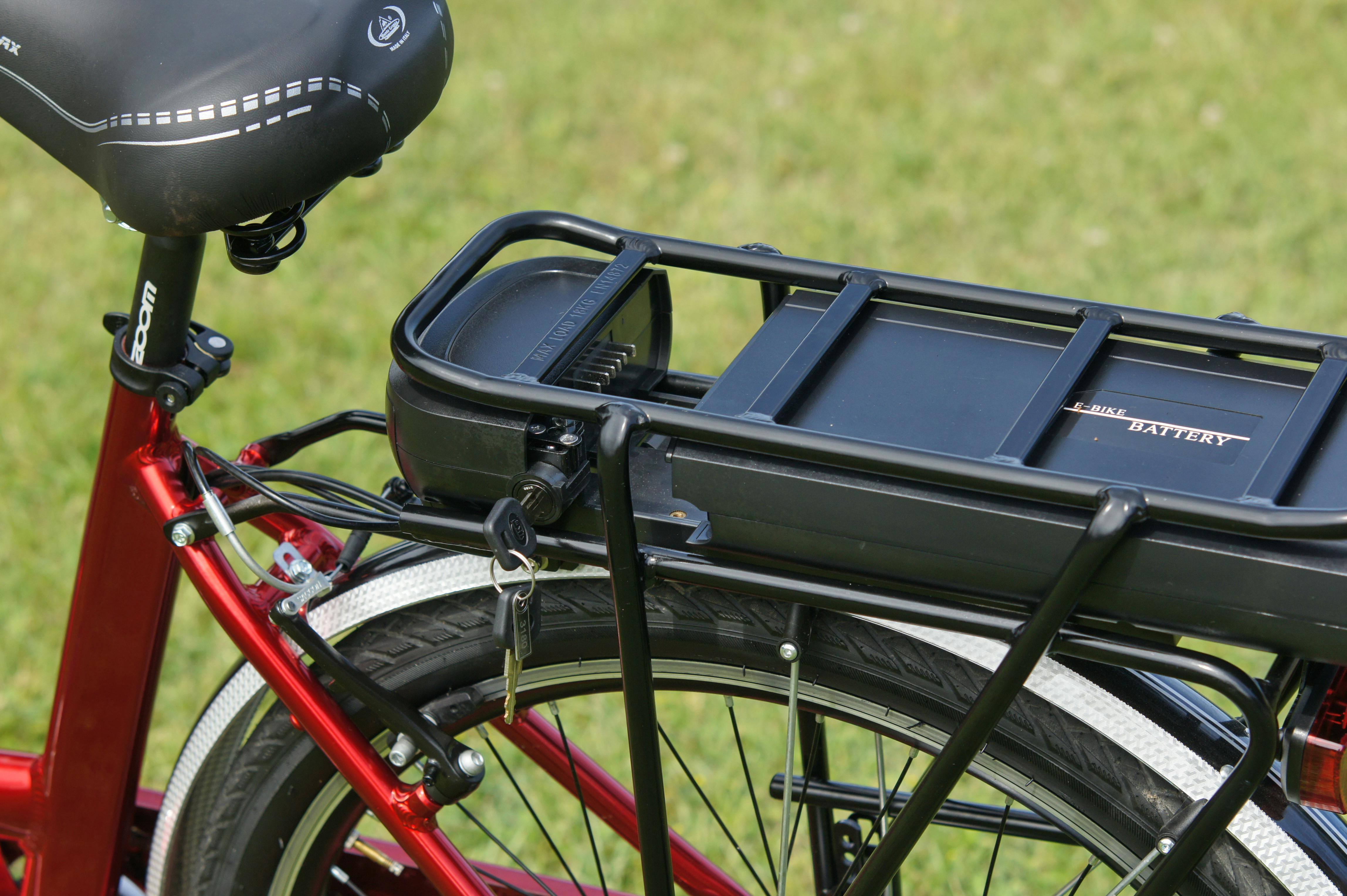
E-bike batteries are rated in watt-hours (Wh), which indicates total energy storage. Battery capacities range from around 300Wh on budget bikes to 800Wh+ on premium long-range models. More watt-hours mean longer potential range, though actual range depends on numerous factors.
You’ll also see voltage (V) and amp-hour (Ah) ratings. Voltage typically ranges from 36V to 52V, with higher voltages generally providing more power for climbing and acceleration. Amp-hours indicate how long the battery can deliver its voltage. Multiply voltage by amp-hours to get watt-hours: a 48V battery with 14Ah capacity equals 672Wh.
Real-World Range Expectations
Manufacturers often quote optimistic range figures like “up to 100 miles.” Treat these as best-case scenarios under ideal conditions. Real-world range depends dramatically on:
Assist Level: Using maximum assistance drains batteries much faster than eco mode. Most riders average 25-60 miles depending on terrain and assist settings.
Terrain: Hills consume significantly more power than flat riding. If your commute includes serious climbing, expect 30-40% less range than flat-terrain estimates.
Rider Weight and Cargo: Heavier loads require more energy. Add 20-30 pounds of cargo or rider weight, and expect 10-15% range reduction.
Weather Conditions: Headwinds, cold temperatures, and wet conditions all reduce range. Battery performance particularly suffers in cold weather—expect 20-30% less range at temperatures below 40°F.
Tire Pressure and Bike Condition: Underinflated tires and poorly maintained drivetrains waste energy. Keep tires properly inflated and chains clean for maximum efficiency.
For most commuters, a 500-600Wh battery provides adequate range for 20-40 mile daily round trips with moderate assist levels. Battery ranges in 2025 have improved significantly, with many bikes offering between 50 and 100 miles on a single charge under reasonable conditions.
Battery Features Worth Considering
Removable Batteries: Dramatically more convenient than integrated batteries. You can charge indoors, carry a spare, or replace the battery at end of life without professional help. Most e-bikes now feature removable batteries.
Charging Time: Varies from 3-7 hours for a full charge. Some fast-charging systems can reach 80% in 2-3 hours.
Battery Management System (BMS): Quality batteries include management systems preventing overcharging, overheating, and excessive discharge. In 2025, look for UL-certified batteries meeting safety standards—California will require UL certification by January 2026.
Dual Battery Compatibility: Some e-bikes accept two batteries simultaneously, doubling range. This feature particularly appeals to touring riders or those with very long commutes.
Frame Types and Geometry: Finding Your Fit
E-bike frame design affects comfort, handling, mounting ease, and overall riding experience. Understanding different frame styles helps you identify what works for your body and riding preferences.
Step-Through Frames
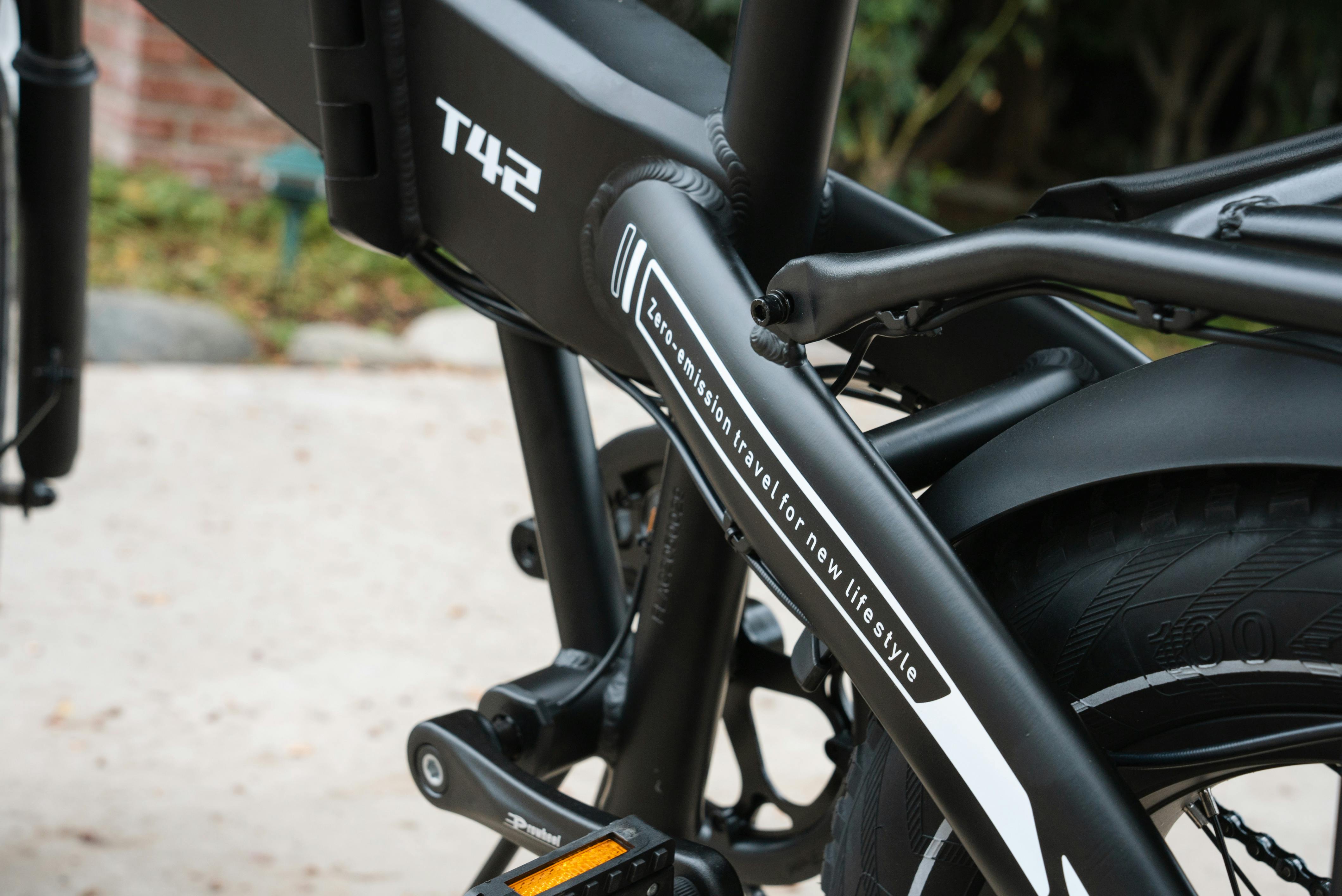
Step-through (also called step-thru or low-step) frames eliminate or drastically lower the top tube, allowing you to mount by stepping through the frame rather than swinging your leg over. These designs make mounting and dismounting effortless—particularly valuable when wearing skirts or dresses, for riders with limited flexibility or mobility concerns, when carrying cargo that raises the center of gravity, or during frequent stops in urban commuting.
Step-through frames don’t compromise performance. Modern designs maintain excellent rigidity despite the open frame. However, step-through frames typically add 1-2 pounds compared to traditional designs due to reinforced construction.
Traditional Diamond Frames
Traditional diamond frames (with a horizontal top tube) offer maximum rigidity and structural efficiency. These frames excel for performance-oriented riding, maximum power transfer, and the lightest possible weight. Riders comfortable mounting traditional bikes often prefer diamond frames for their familiar feel and typically lighter weight.
Fat Tire vs Standard Tire E-Bikes
Fat tire e-bikes feature 4-inch+ wide tires providing exceptional traction, smooth ride over rough terrain, and capability on sand, snow, and loose surfaces. They’re perfect for off-road adventure, varied terrain exploration, and riders prioritizing comfort over speed.
Standard tire e-bikes (1.5-2.5 inch widths) offer lower rolling resistance, lighter weight, better efficiency, and more nimble handling. They suit paved riding, commuting, road cycling, and anyone prioritizing speed and efficiency.
Cargo E-Bikes: Hauling Capability
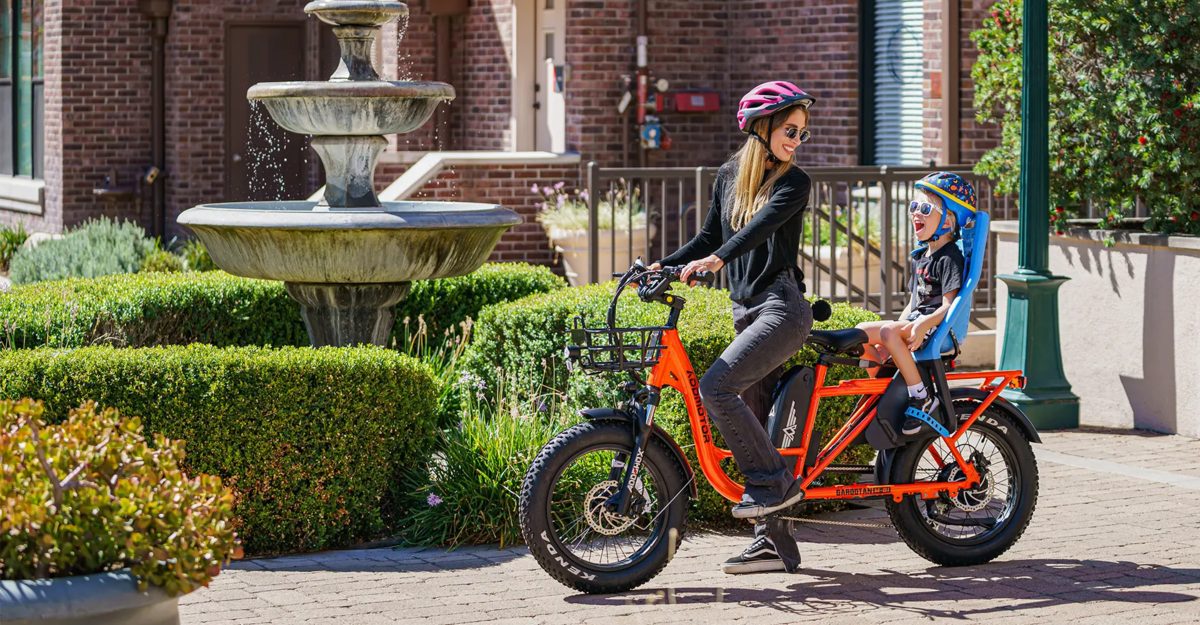
Cargo e-bikes transform bicycles into legitimate car alternatives. These specialized designs feature reinforced frames supporting 300-440+ pounds total weight, extended rear racks or front cargo areas, and powerful motors (typically mid-drive) handling heavy loads. Cargo e-bikes enable grocery shopping, kid transport, delivery work, and car-free lifestyles for families.
Essential Features and Components
Beyond motor and battery, several features significantly impact daily e-bike use.
Display and Controls
Modern e-bikes feature handlebar-mounted displays showing battery level, current speed, assist mode, trip distance, and sometimes navigation integration. Handlebar-mounted LCD displays help you monitor battery life and adjust assistance levels without taking eyes off the road.
Premium models offer smartphone integration through apps, allowing customization of power output, GPS navigation, ride tracking, service reminders, and sometimes bike security features. While nice-to-have, smartphone integration isn’t essential for most riders.
Braking Systems
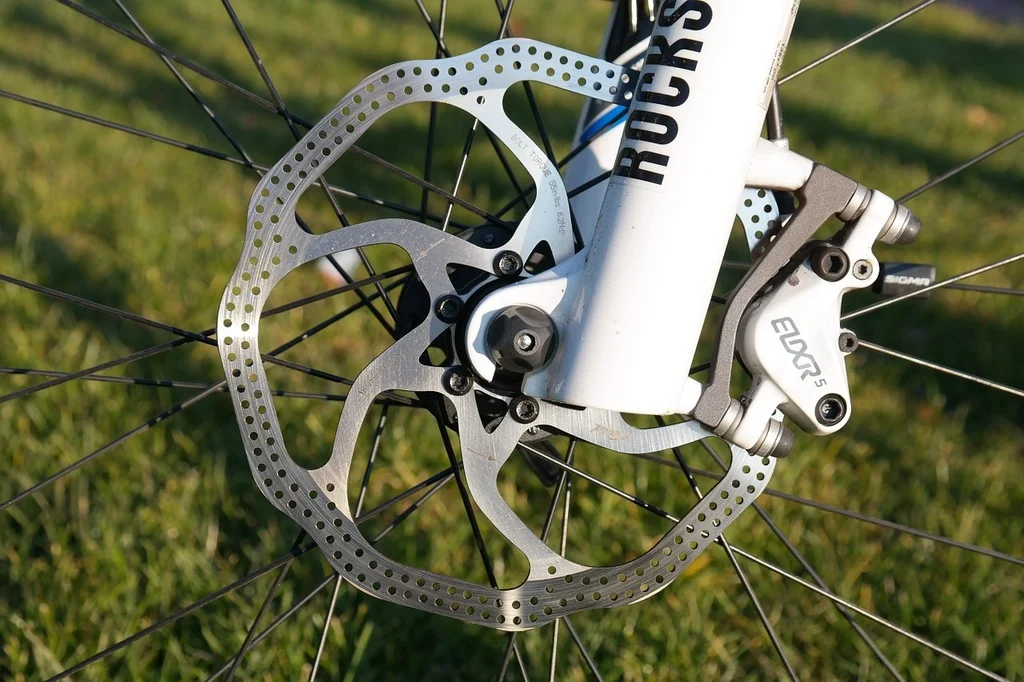
E-bikes require quality brakes handling higher speeds and additional weight. Hydraulic disc brakes are now standard on most e-bikes above $1,500, providing powerful, consistent stopping in all weather conditions, less hand fatigue than mechanical systems, and minimal maintenance compared to rim brakes.
Budget e-bikes may include mechanical disc brakes, which work adequately but require more frequent adjustment. Avoid rim brakes on e-bikes—they simply don’t provide adequate stopping power for the speeds and weights involved.
Gearing and Drivetrains
Most e-bikes include 7-12 speed drivetrains. More gears aren’t necessarily better—what matters is appropriate range for your terrain. Mid-drive e-bikes particularly benefit from quality drivetrains since the motor power runs through the chain. Look for name-brand components (Shimano, SRAM, or Microshift) rather than no-name parts.
Some premium e-bikes feature internally geared hubs offering weather-sealed shifting, minimal maintenance, ability to shift while stopped, and protection from damage. These work brilliantly for commuters prioritizing reliability over weight savings.
Lighting Systems
Quality integrated lighting dramatically improves safety. The best systems power lights from the main battery (eliminating charging hassles), include automatic on/off based on ambient light, and provide sufficient brightness (400+ lumens front, attention-grabbing rear pattern). Integrated lights are far superior to add-on battery lights for daily riding.
Fenders and Racks
For commuting and practical use, fenders are non-negotiable. They keep you and your bike clean in wet conditions, reduce maintenance, and make year-round riding practical. Quality full-coverage fenders extend low enough to catch wheel spray.
Integrated racks enable panniers or cargo bags, eliminating backpack-related back sweat and discomfort. Look for racks rated for your expected cargo weight—many support 40-55 pounds.
Budget Considerations: Where to Invest
E-bike prices span an enormous range. Understanding value across price tiers helps you invest wisely.
Budget Tier ($400-$1,000)
Entry-level e-bikes work for very short trips, light use, or testing whether e-biking suits you. Expect smaller batteries (300-400Wh), basic components, hub motors, shorter range (15-25 miles), and minimal features. These bikes aren’t built for daily commuting or long-term durability but can introduce you to e-biking affordably.
Mid-Range Sweet Spot ($1,500-$3,000)
This range offers the best value for most riders. You’ll find quality hub motors or entry-level mid-drives, adequate batteries (400-600Wh) for realistic 30-50 mile range, hydraulic disc brakes, reliable components, removable batteries, and integrated lights and fenders on commuter models. Most riders should budget $1,500-$2,500 for their first quality e-bike.
Premium Performance ($3,000-$6,000)
Premium e-bikes offer powerful mid-drive motors, large batteries (600-800Wh+), top-tier components from Shimano or SRAM, lighter frames (sometimes carbon fiber), sophisticated displays with app integration, and refined geometry and ride quality. The performance improvement over mid-range bikes is noticeable but not transformative for recreational riders.
Luxury Tier ($6,000+)
High-end e-bikes feature carbon frames, premium motor systems (Bosch Performance Line CX, Shimano EP8), wireless electronic shifting, the lightest possible weight, and premium finishing and aesthetics. Unless you’re a serious enthusiast or competitive rider, money spent above $6,000 delivers diminishing returns for most users.
Where to Buy: Online vs Local Bike Shop
Purchasing channels affect long-term ownership experience significantly.
Local Bike Shop Advantages
Buying from local shops provides professional fitting ensuring optimal comfort, expert assembly and safety checks, ongoing service and maintenance support, test rides before purchasing, and warranty service coordination. For first-time e-bike buyers, local shop expertise and support justify slightly higher prices.
Direct-to-Consumer Brands
Many quality brands (Rad Power, Ride1Up, Aventon, Lectric) sell directly online, offering lower prices than bike shops, convenient home delivery, detailed assembly instructions and videos, and responsive customer service. If you’re mechanically inclined and comfortable assembling bikes, direct-to-consumer represents excellent value.
The Hybrid Approach
Some riders research online but purchase at local shops, or buy online but pay shops for assembly and initial setup. This balances value and support effectively.
Making Your Final Decision
Choosing the right e-bike requires balancing numerous factors. Here’s a systematic approach:
Step 1: Determine your primary use—commuting, recreation, cargo hauling, or mixed use.
Step 2: Establish realistic budget including accessories (helmet, lock, bags, spare battery).
Step 3: Identify necessary class based on your intended riding locations and local regulations.
Step 4: Choose motor type based on terrain—hub for flat, mid-drive for hills.
Step 5: Calculate required battery capacity based on typical ride distances and terrain.
Step 6: Prioritize must-have features (removable battery, integrated lights, cargo capability, specific frame style).
Step 7: Research 3-5 specific models fitting your criteria. Read professional reviews and owner feedback.
Step 8: Test ride your top choices whenever possible. Nothing replaces the experience of actually riding a bike.
Step 9: Don’t obsess over finding the “perfect” bike. Most quality e-bikes in the right category will serve you well.
Frequently Asked Questions
Q: What’s the best electric bike for commuting to work, and how do I know which e-bike is right for me?
The best electric bike for your commute depends on distance, terrain, and how you’ll use it. For most commuters, a Class 1 or Class 3 electric commuter with 500-600Wh battery capacity handles daily trips perfectly. If you’re shopping for an electric bike for the first time, consider whether you need a standard commuter bike with upright riding position, a folding bike for mixed transit commuting, or cargo bikes if hauling groceries or kids. Many electric bikes from reputable bike brands like Rad Power Bikes offer excellent value in the $1,500-2,500 range. The best e-bikes balance motor torque for hills, comfortable riding position, and adequate electric power for your typical commute distance. Visit local bicycle shops to test different types of bikes—everything you need to know about fit and comfort becomes clear once you’re actually riding an electric bike.
Q: Should I buy an e-bike with a hub motor or mid-drive electric motor for mountain biking and trail riding?
For electric mountain bikes and serious mountain trails, mid-drive motors outperform hub motors significantly. Mid-drive systems deliver better torque for climbing steep mountain biking terrain, utilize your bike’s gearing for efficiency, and maintain balanced weight distribution with the motor at the bottom bracket. Electric mountain bikes with mid-drive motors (like Bosch or Shimano systems) handle technical mountain trails far better than hub-equipped bikes. However, if you’re riding mostly flat commuter routes or casual paths, hub motors in the front wheel or rear wheel work perfectly fine and cost less. Many electric bikes under $2,000 use hub motors successfully for commuting and light recreation.
Q: What should I look for in electric bike reviews, and are there hundreds of electric bikes to compare?
Yes, there are literally hundreds of electric bikes on the market now, which makes this e-bike buying guide essential. When reading electric bike reviews, focus on real-world battery range (not manufacturer claims), motor performance on your typical terrain, component quality (brakes, suspension fork, drivetrain), and long-term reliability from established bike manufacturers. The best electric bike reviews test multiple riding conditions and compare ebikes within similar price ranges. Look for reviews mentioning how the e-bike handles compared to a regular bike or standard bike, whether electric assist feels natural, and if the handlebar controls are intuitive. Avoid buying based solely on lowest price—many cheap ebikes have quality issues or potential battery fires from uncertified batteries.
Q: Can I use an electric road bike or gravel bike instead of a dedicated commuter bike?
Absolutely! Electric road bikes and electric gravel bikes make excellent commuters if you prefer drop-bar riding position and don’t need cargo capacity. A gravel bike with electric assist handles both paved roads and rough paths beautifully, offering versatility beyond a pure commuter. Electric road bikes excel for longer, faster commutes where you want to cruise at higher speeds. However, dedicated commuter bikes typically include practical features like integrated lights, fenders, and bike racks that road and gravel bikes lack. If your commute involves carrying work gear, consider adding a bike rack or choose a bike designed for commuting. Many riders find a versatile gravel bike or mountain bike with electric power serves multiple purposes better than a specialized commuter.
Q: How does riding an electric bicycle compare to a conventional bike, and do I still get exercise?
Riding an electric bike with electric assist still provides excellent exercise—you’re just getting amplified effort rather than replacement. Unlike a regular bike where hills might force you off and walking, an e-bike keeps you pedaling and working throughout your ride. Most intro to e-bikes programs emphasize that electric power supplements rather than eliminates your effort. You control how much electric assist you use, from minimal eco mode (feeling close to a conventional bike) to maximum power for effortless cruising. Studies show e-bike riders often cycle more frequently and for longer distances than standard bike riders because the motor removes intimidation from challenging routes. You’ll arrive less sweaty than on a regular bike, but you’re definitely still exercising on two wheels.
Q: Should I buy a new or used bike, and what about different class of e-bike regulations?
Buying a new electric bike from reputable bike manufacturers provides warranty protection, current battery technology, and UL-certified batteries that prevent battery fires. However, quality used bikes from bike brands like Trek, Specialized, or Rad Power Bikes can save 30-40% if you know what to inspect. Regarding e-bike classes: a Class 1 e-bike (pedal-assist to 20 mph) offers maximum trail access and works for most recreational riders. Class 2 adds throttle for urban stop-and-go convenience. Class 3 (assist to 28 mph) is ideal for longer commutes but restricted to roads in many areas. Check local regulations before buying—some cities restrict where different classes can ride. For bike fit and safety, visit bicycle shops for professional sizing whether buying new or used. A properly sized compact electric bike that fits your body beats an ill-fitting “best electric” model every time.