Specialized Stumpjumper 15 EVO Review: The Ultimate Trail Bike Gets Even Better for 2026
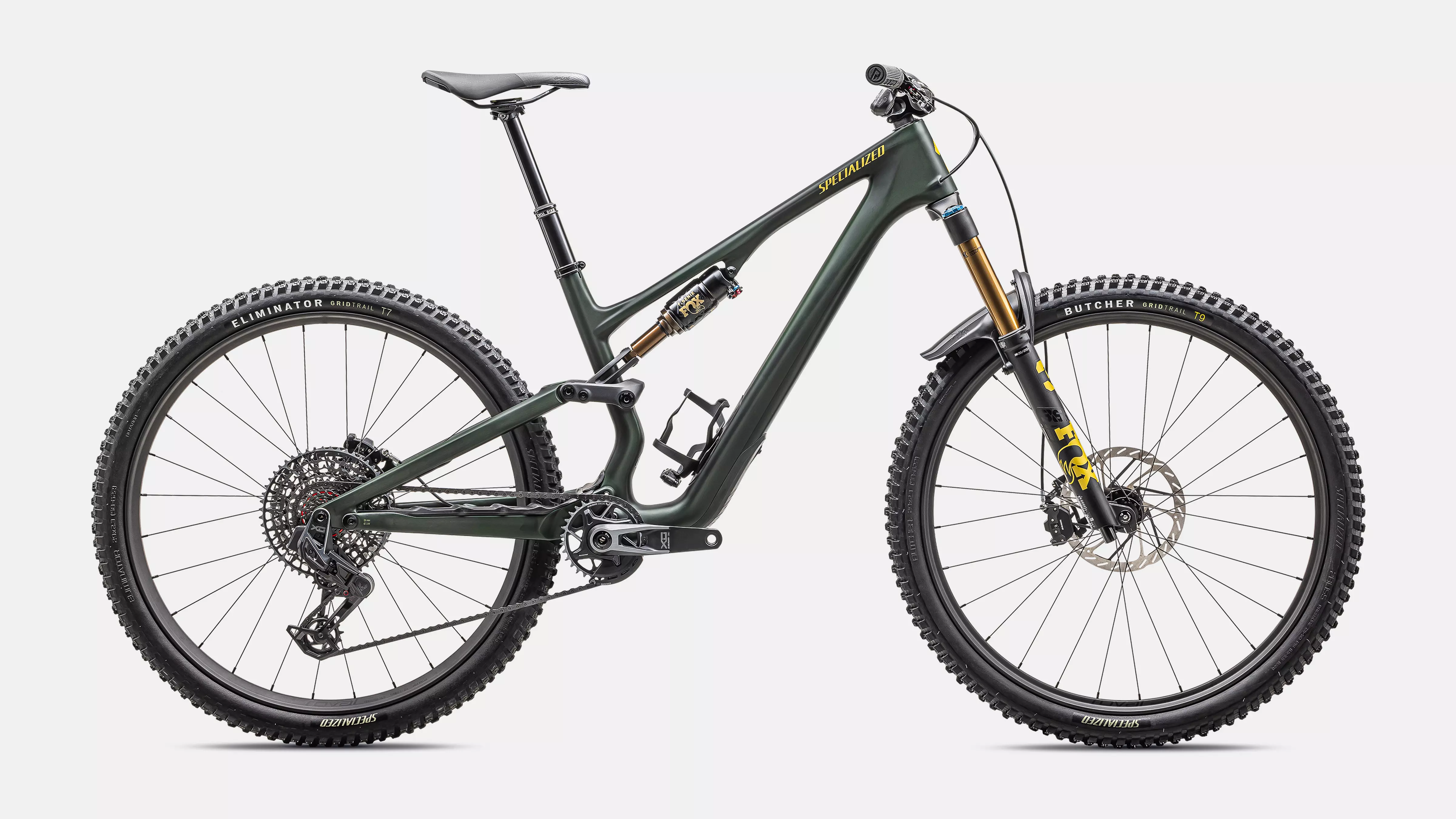
Few mountain bikes carry the legacy and street credibility of the Specialized Stumpjumper. Since 1981, this iconic trail bike has evolved through 15 generations, consistently defining what a do-it-all mountain bike should be. The latest iteration (the Stumpjumper 15 EVO) represents Specialized’s boldest statement yet: a bike that eliminates the traditional compromises between climbing efficiency and descending prowess.
For 2026, Specialized has made the EVO designation standard across all Stumpjumper 15 models, effectively killing the shorter-travel, less aggressive base model. This consolidation means every Stumpjumper now comes with 160mm of front travel, a piggyback reservoir shock, and geometry optimized for aggressive trail riding. It’s a clear signal: Specialized believes modern trail riders want more capability, not less.
After extensive testing and reviewing dozens of rider experiences, this comprehensive guide breaks down everything you need to know about the Stumpjumper 15 EVO, from its revolutionary GENIE suspension technology to real-world performance across varied terrain, who it’s perfect for, and whether it justifies its premium price tag.
What Makes the Stumpjumper 15 EVO Different: Key Changes for 2026
The 2026 Stumpjumper 15 EVO builds upon the solid foundation established when the 15th generation launched in late 2024. However, several critical updates transform how this bike performs on the trail.
Increased Fork Travel: 160mm Becomes Standard
The most obvious change is the bump from 150mm to 160mm fork travel across all EVO models. While this might seem like a modest 10mm difference, it fundamentally alters the bike’s personality. The extra travel slackens the head tube angle by 0.5 degrees to a confidence-inspiring 64 degrees (in the neutral setting), increases bottom bracket height slightly, and provides noticeably more capability when terrain gets rowdy.
Specialized pairs this longer fork with the Fox Float 36 Performance Elite or Factory, featuring the GRIP X2 damper with high and low-speed compression and rebound adjustments. Smaller S1 and S2 frames maintain 150mm travel due to proportional sizing considerations, but S3 through S6 all get the full 160mm treatment.
Piggyback Shock: Heat Management for Long Descents
Previously, only the highest-end coil-equipped Stumpjumper models received piggyback shocks. For 2026, every EVO model benefits from the Fox Float X GENIE with external reservoir. This seemingly minor upgrade provides crucial advantages: better heat dissipation during sustained descents, more consistent damping performance, and increased oil volume preventing fade.
The piggyback configuration particularly benefits riders tackling long, continuous downhills where inline shocks can overheat and lose damping consistency. If you’ve ever noticed your shock feeling mushy toward the bottom of a long descent, inadequate heat management was likely the culprit.
Higher-Rise Handlebars: Improved Cockpit Ergonomics
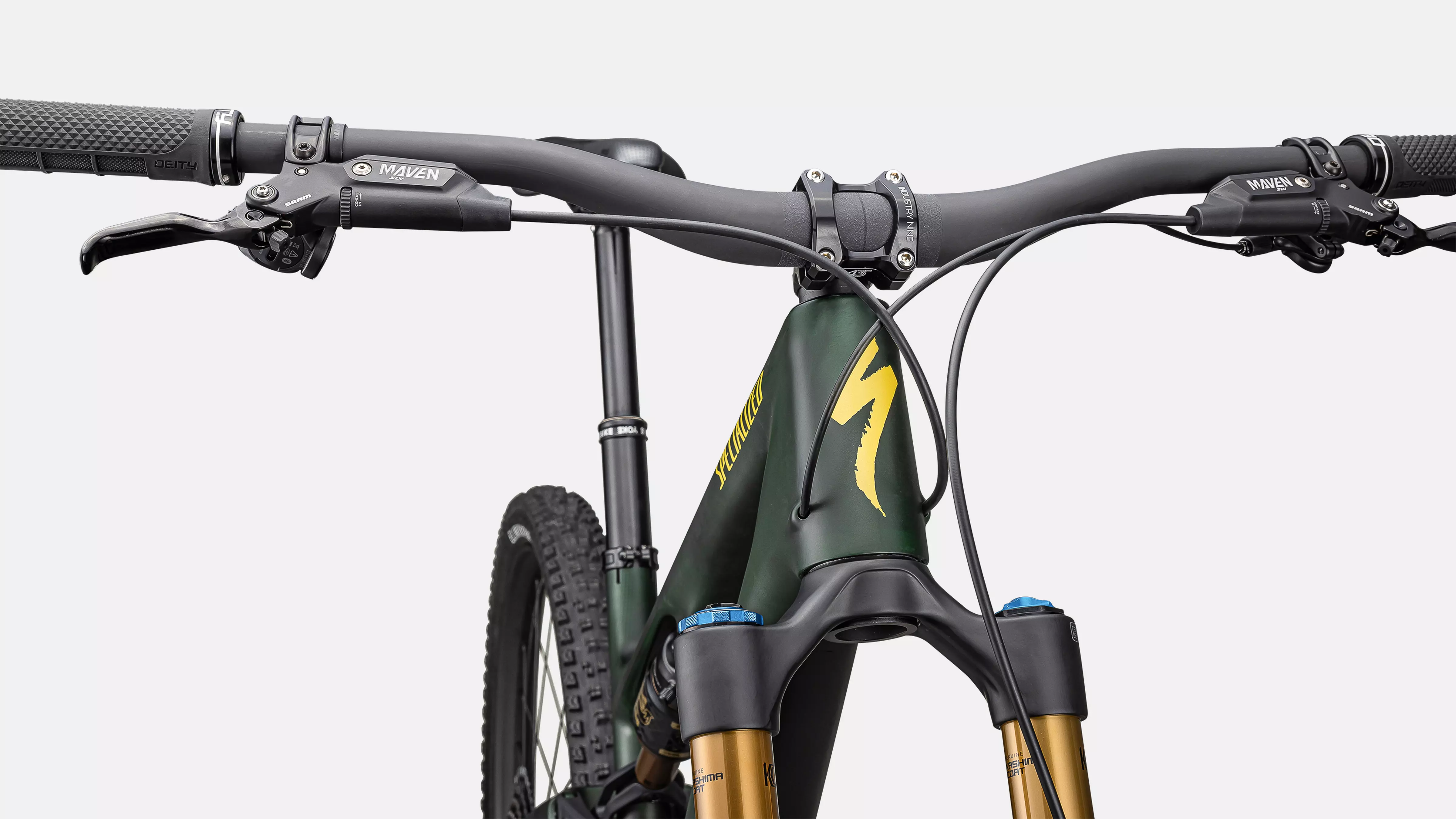
Specialized bumped handlebar rise specifications across the EVO line. S3-S6 frames now come with 55mm rise bars (up from previous specs), while S1-S2 get 20mm rise. All sizes maintain 800mm width, though some riders note that smaller frames would benefit from proportional width reductions.
The higher rise bars create a more upright, comfortable position when descending while maintaining efficient climbing posture. This seemingly small change significantly affects how centered you feel over the bike, particularly during aggressive descending where proper weight distribution matters immensely.
Updated Tire Specification: Butcher and Eliminator Refresh
Specialized has refined their house-brand Butcher (front) and Eliminator (rear) tire combo for 2026. While specific compound or tread pattern changes aren’t extensively detailed, the updated rubber reportedly provides improved grip and rolling resistance compared to previous Specialized tires.
GENIE Suspension Technology: The Game-Changing Innovation
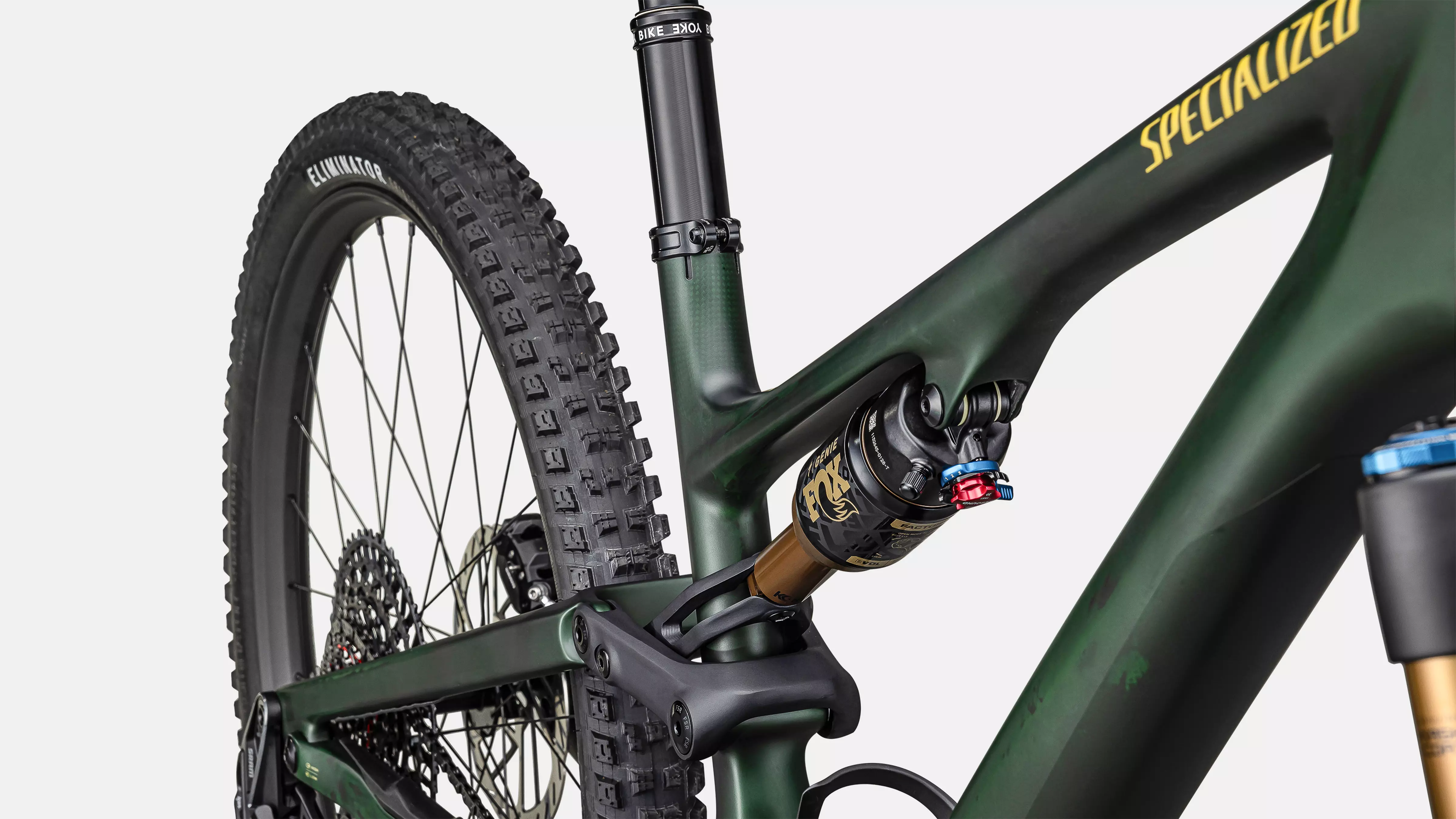
The headline feature distinguishing the Stumpjumper 15 from its predecessors (and most competitors) is Specialized’s patent-pending GENIE shock technology, developed in collaboration with Fox Suspension over three years.
How GENIE Works: Dual-Chamber Design
Traditional air shocks use a single air chamber, creating an inherently progressive spring rate that gets firmer as you move deeper into travel. GENIE employs a dual-chamber system with independently tunable positive and negative air springs, enabling Specialized to craft a more sophisticated force curve.
The result? A relatively linear spring rate through the initial 70% of travel (similar to coil shocks) that ramps up progressively in the final 30%. This design promises three critical benefits: the suppleness and small-bump sensitivity of a coil spring, better bottom-out protection than standard air springs, and the ability to tune mid-stroke and end-stroke characteristics independently.
Specialized makes bold claims about GENIE’s performance: 57% less traction loss compared to standard air springs, 39% fewer severe bottom-out events, and 16.3% better bump force management. While these specific numbers should be taken with appropriate skepticism, independent testers consistently note the shock’s exceptional performance.
Real-World Performance: What Riders Report
One experienced tester who logged nearly 3,000 miles on the previous Stumpjumper EVO with various shocks noted: “The Genie shock smoothly ramped up and handled impacts that I thought would blow through the bike’s travel without a second thought.”
Another long-term reviewer observed the bike feels like “the point-and-plow attributes of the Specialized Enduro platform were blended with the lively and playful characteristics of the new Epic 8 EVO.” This assessment captures GENIE’s magic: maintaining trail bike playfulness while approaching enduro bike capability when things get rough.
The shock requires more setup attention than standard air springs. You’ll need to independently tune both positive and negative chambers, adjust low-speed compression, and dial in rebound. However, once dialed, most riders find the shock remarkably consistent across varied conditions.
Geometry and Handling: Aggressive Yet Versatile
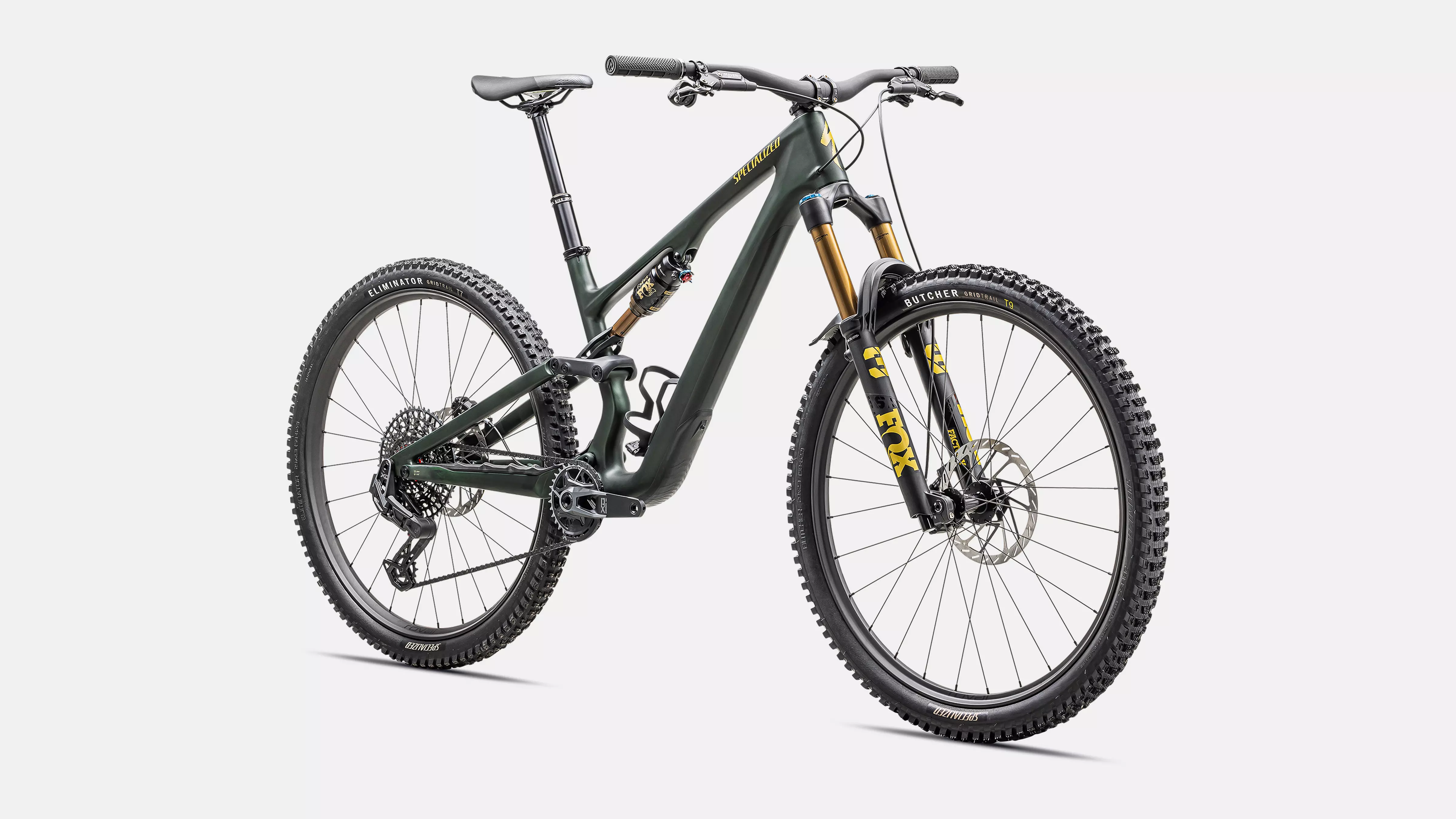
The Stumpjumper 15 EVO’s geometry reflects modern trail bike evolution: slack, long, and low without becoming unwieldy.
Key Geometry Numbers
At 64 degrees, the head tube angle sits in aggressive trail/light enduro territory. Combined with size-specific chainstays (435-441mm on S4 frames), the bike provides stability at speed while remaining maneuverable in tight singletrack. The effective seat tube angle ranges between 75.8-76.7 degrees, positioning riders forward for efficient climbing.
Bottom bracket height is adjustable via a flip chip at the dropout pivot (330mm in low position, 337mm in high). Stack height and head tube length have increased compared to the previous Stumpjumper, sitting at 640mm and 125mm respectively on S4 frames, accommodating taller riders without excessive stem spacers.
Wheelbase stretches to 1,244-1,252mm depending on flip chip setting and size. This length contributes to high-speed stability but doesn’t make the bike feel cumbersome. Testers consistently praise how nimble it feels despite its numbers.
Six-Way Geometry Adjustment: Dialing Your Ride
The Stumpjumper 15 EVO offers unprecedented adjustability through three-position headset cups (allowing 63°, 64.5°, or 65.5° head angles) and the two-position flip chip (adjusting bottom bracket height and chainstay length). These six combinations let riders optimize for different terrain, riding styles, or personal preferences.
Want maximum stability for bike park days? Run the 63-degree slack setting with low bottom bracket. Tackling technical climbs with tight switchbacks? Steepen to 65.5 degrees and raise the BB. This adjustability makes the Stumpjumper genuinely adaptable rather than just claiming versatility through marketing speak.
Mixed Wheel Option: S1-S2 Get Mullet Setup
Smaller S1 and S2 frames come standard with mixed wheels (29-inch front, 27.5-inch rear). This “mullet” configuration maintains proportional geometry for shorter riders while providing the rollover and traction benefits of a larger front wheel. S3-S6 run full 29-inch wheels, though aftermarket shock links allow converting any size to mixed wheels if preferred.
Climbing Performance: Efficiency Meets Capability
Despite its downhill-focused upgrades, the Stumpjumper 15 EVO remains an impressively efficient climber for a bike in this travel category.
Anti-Squat and Pedaling Platform
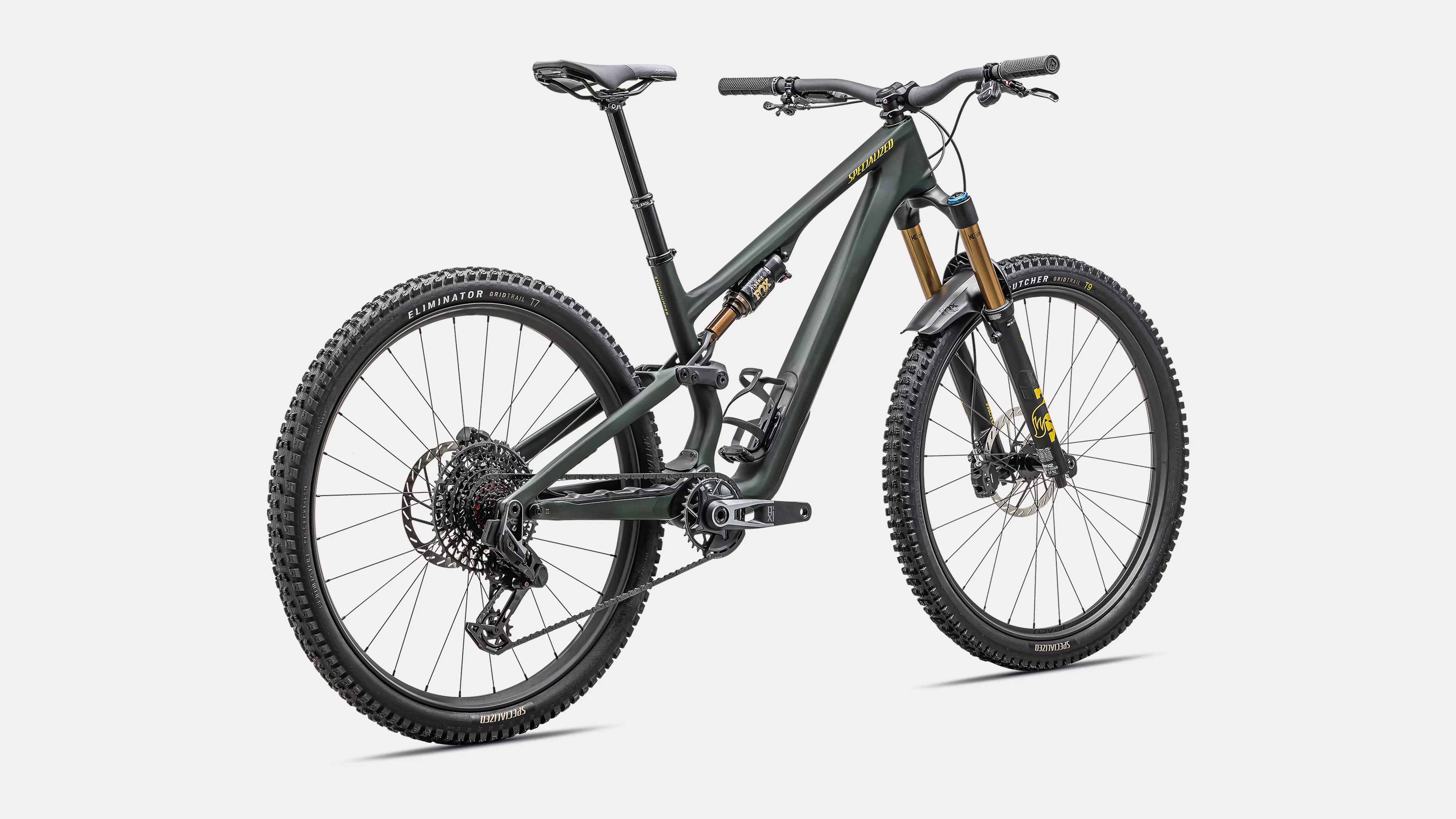
Specialized tuned anti-squat at approximately 105% at sag, dropping to just under 78% deep in travel. This kinematic provides solid pedaling efficiency while allowing the suspension to work freely when you need it. The GENIE shock’s tunable platform adds another dimension. You can increase mid-stroke support for more efficient pedaling without completely locking out the suspension.
One rider transitioning from the previous generation Stumpjumper EVO noted: “The Stumpjumper 15 just feels plusher and yet also more efficient during pedally sections.” This seemingly contradictory assessment perfectly captures what well-designed suspension kinematics achieve.
Seated and Standing Climbing
The steepened seat tube angle puts you in an aggressive, forward-leaning position ideal for technical seated climbing. You’re positioned over the bottom bracket with weight distributed efficiently between wheels, preventing front wheel wander on steep grades while maintaining rear wheel traction.
When you stand to power over obstacles, the GENIE shock’s mid-stroke support prevents excessive bobbing without feeling harsh or disconnected. The bike rewards smooth, consistent pedal strokes but doesn’t punish you for attacking a punchy climb when needed.
Descending Prowess: Where the EVO Truly Shines
Climbing efficiency matters, but let’s be honest: the Stumpjumper 15 EVO exists for descending. This is where the bike’s personality truly emerges.
Traction and Grip: GENIE Delivers
Testers consistently praise how the rear wheel tracks through rough sections. The GENIE shock’s supple initial stroke keeps the tire glued to terrain even over stutter bumps, roots, and brake bumps where standard air shocks tend to pack up. You can push harder through sections where you’d normally back off, trusting the suspension to maintain grip.
One experienced rider switching from the previous Stumpjumper EVO to the 15 noted: “The way the rear wheel clears out of the way on big hits makes the suspension feel lightyears ahead.” Big compressions that would’ve felt harsh or used all the travel now disappear smoothly, leaving you with confidence to push harder.
High-Speed Stability and Control
At 64 degrees (or 63 in the slack setting), the Stumpjumper EVO provides tremendous confidence at speed. The longer wheelbase and optimized fork offset create stability approaching dedicated enduro bikes while maintaining enough agility to rail corners and navigate technical sections without feeling like a freight train.
Multiple testers note the bike feels “settled and composed” through rough sections rather than getting bounced around. The 160mm Fox 36 with GRIP X2 damper provides excellent support without harshness, letting you point-and-shoot down gnar that would challenge bikes with similar travel numbers.
Jump and Pop: Playfulness Remains
Despite its capability, the Stumpjumper 15 EVO doesn’t feel dead or planted. The bike retains playful characteristics that make it fun on flow trails and jump lines. You can pop off lips, manual through sections, and generally play around without fighting excessive weight or sluggish suspension.
This balance (serious capability without sacrificing fun) distinguishes great trail bikes from merely competent ones. The Stumpjumper 15 EVO achieves this difficult balance better than most competitors.
Build Options and Specifications: Finding Your Price Point
Specialized offers the Stumpjumper 15 EVO across multiple price points and specifications, ensuring options for different budgets.
S-Works EVO Di2: Premium Performance
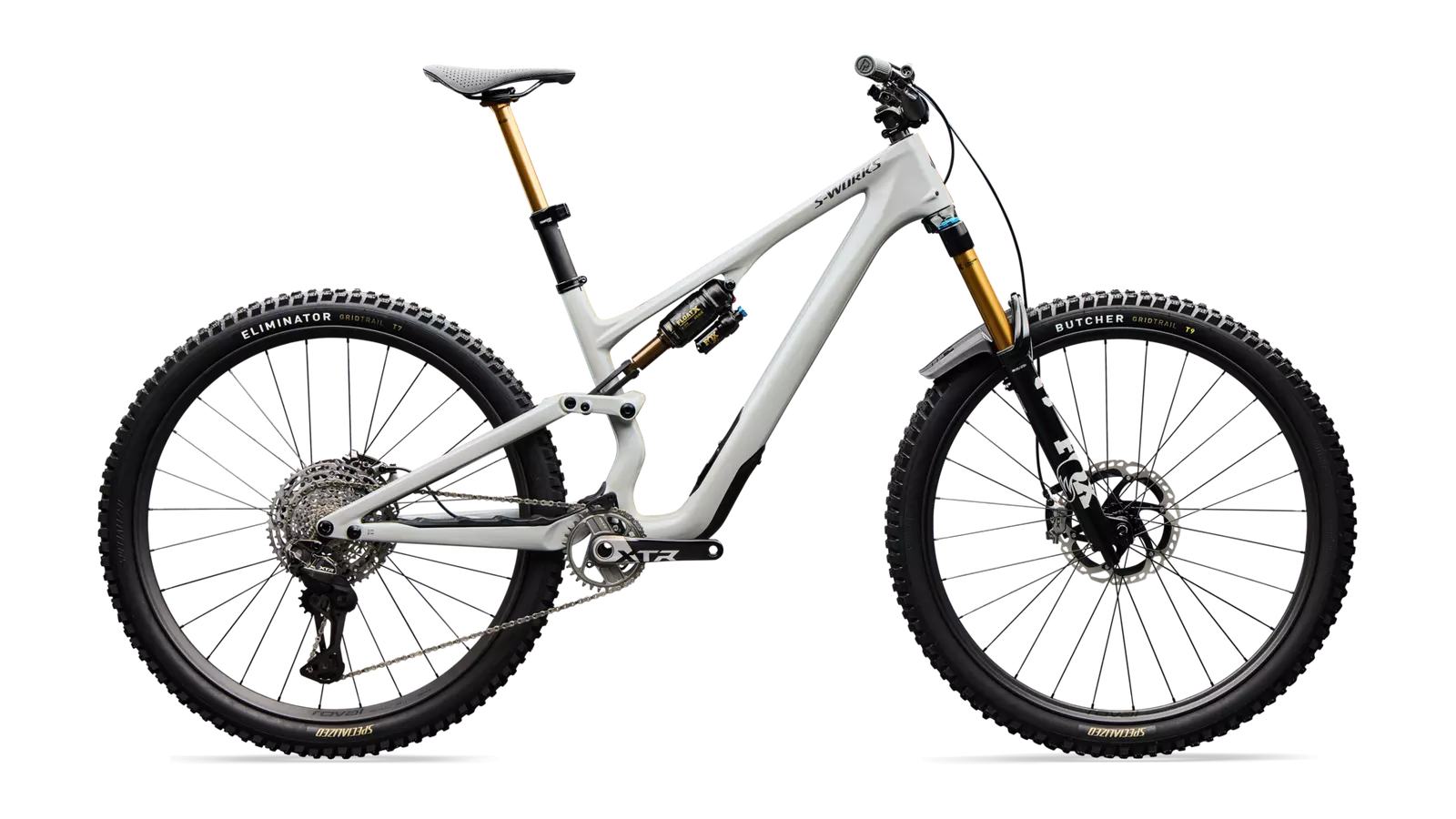
At $11,299, the S-Works build represents Specialized’s flagship offering. You get Shimano XTR Di2 wireless drivetrain and brakes, Factory-level Fox suspension (Float 36 Factory up front, Float X Factory GENIE with piggyback out back), Roval Traverse SL carbon wheels, and premium finishing components throughout.
The S-Works build weighs approximately 30.6 pounds in S4, impressively light for a bike with this much capability. The wireless XTR drivetrain provides crisp, precise shifting without cable maintenance, though you’ll need to manage battery charging.
Expert EVO Di2: Sweet Spot Value
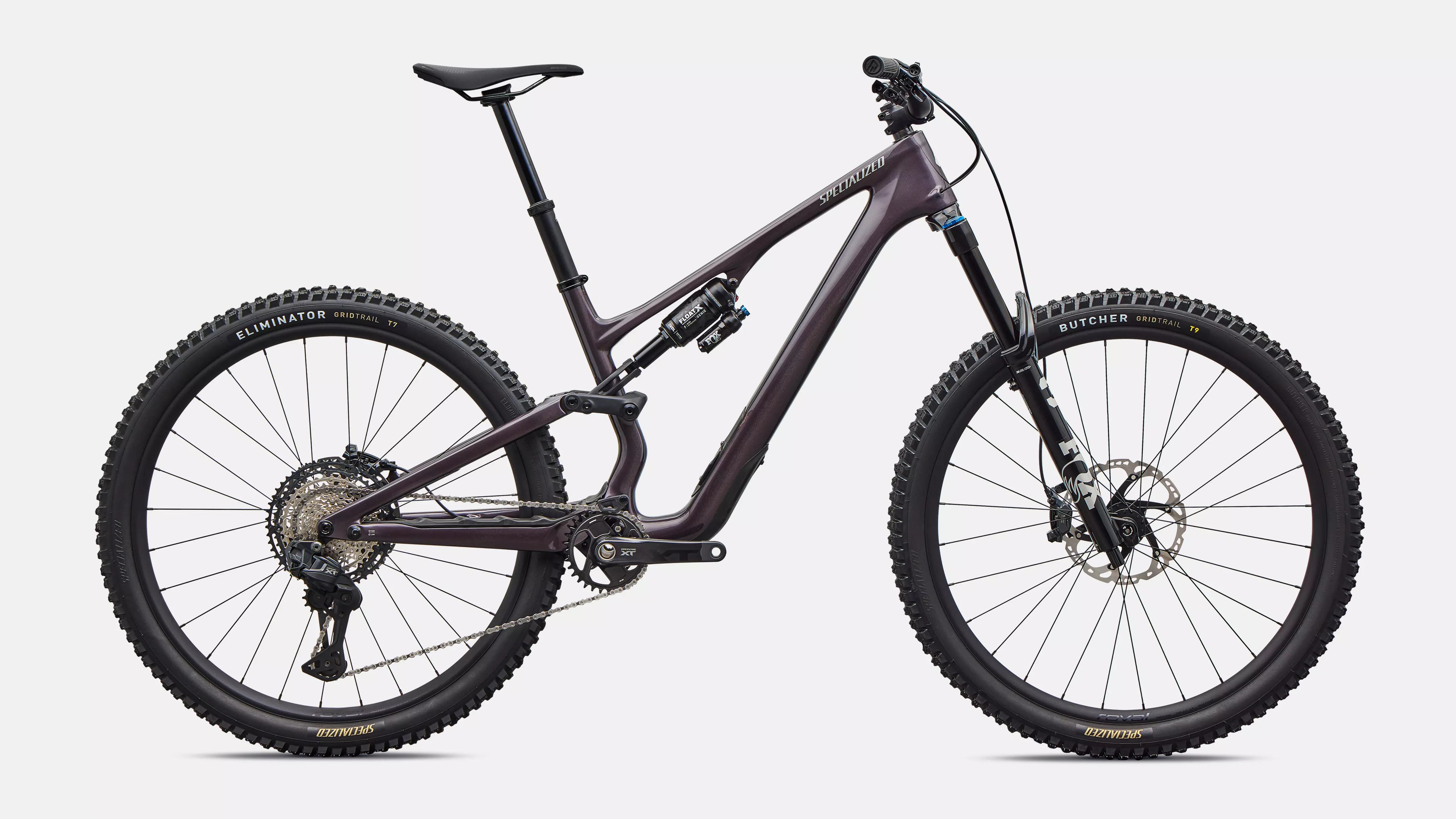
At $6,199, the Expert EVO Di2 offers tremendous value. You get Performance Elite-level Fox suspension, Shimano XT Di2 wireless shifting and braking, and alloy wheels rather than carbon. The frame is identical to the S-Works (same FACT 11m carbon construction with full SWAT storage).
The Expert weighs around 31.8 pounds, roughly 1.2 pounds heavier than S-Works primarily due to alloy wheels and slightly heavier components. For most riders, this weight penalty is negligible compared to the $5,100 savings. The Expert represents where value-conscious enthusiasts should focus their attention.
Comp EVO: Entry Carbon Option
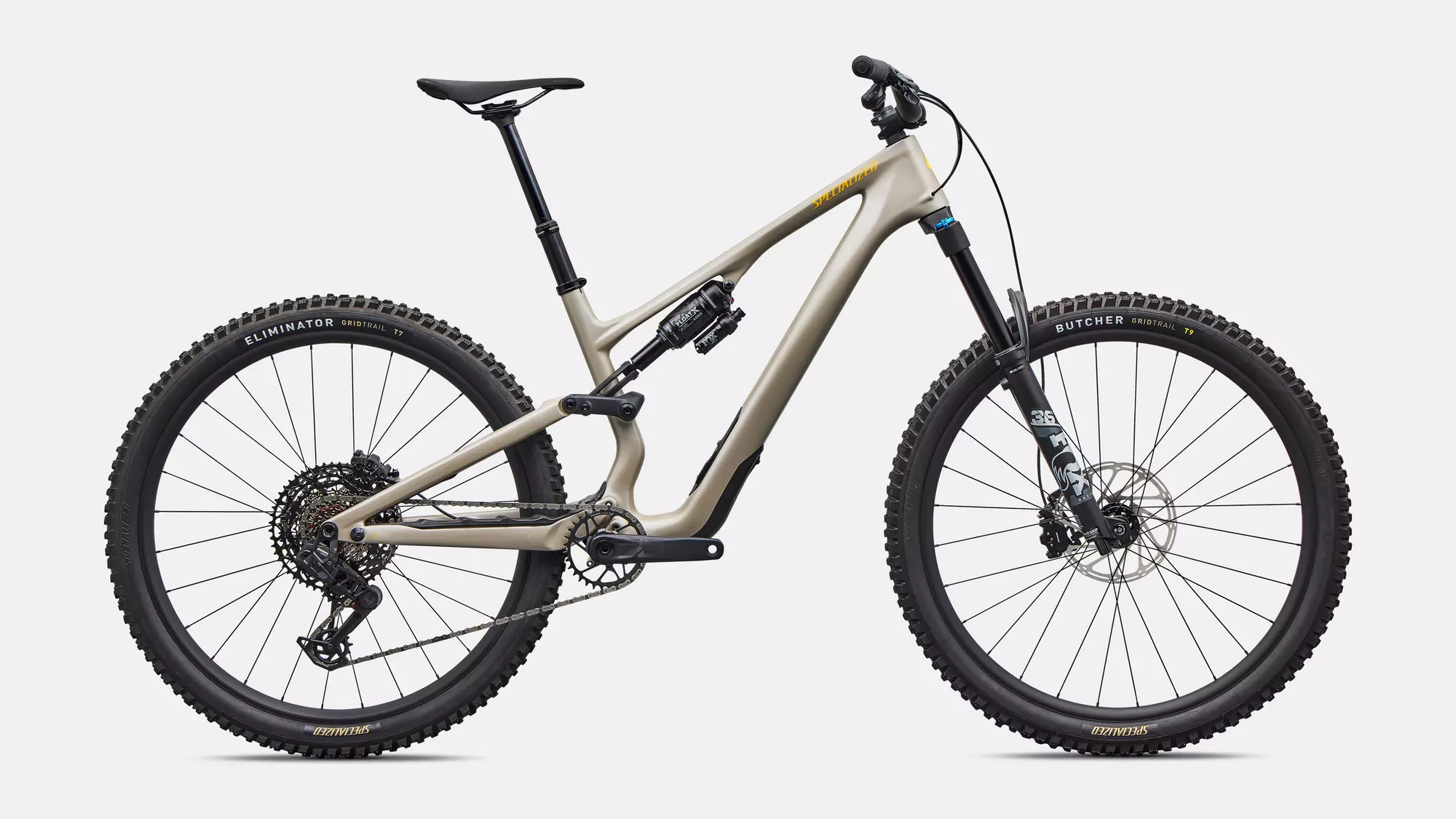
Specialized offers Comp-level builds starting around $4,000-4,500 (pricing varies by market and availability). These models feature the same frame with Fox Performance suspension, mechanical Shimano Deore or SX Eagle drivetrains, and spec’d for riders wanting carbon performance without premium component costs.
Alloy EVO Comp: Budget-Friendly Aluminum
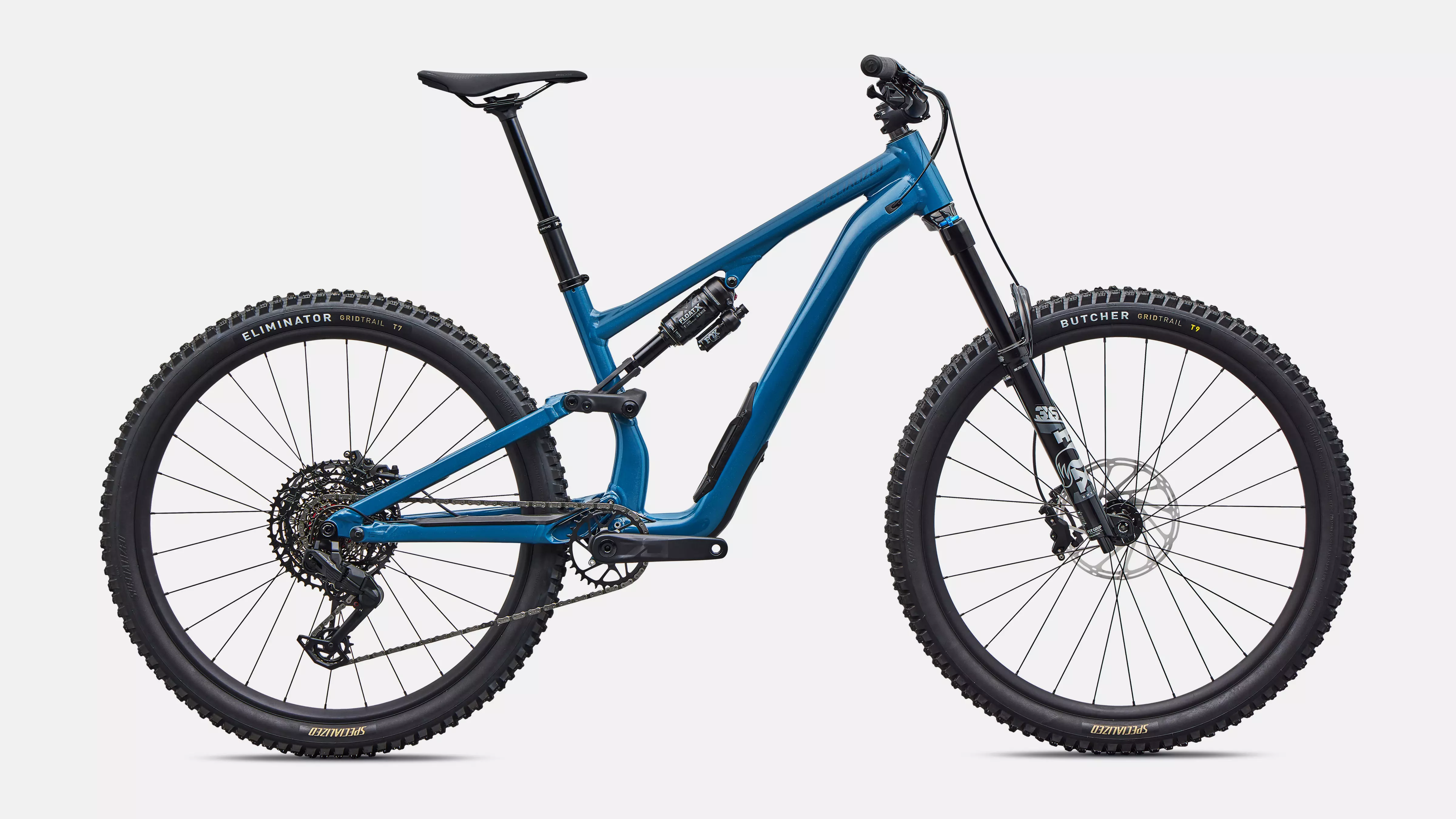
For riders prioritizing capability over carbon fiber, aluminum Stumpjumper 15 EVO models provide similar geometry and GENIE suspension technology at more accessible price points. Expect similar ride characteristics with slightly more weight and less vibration damping than carbon models.
Component Highlights: What Comes Standard
Beyond frame and suspension, several components deserve specific mention for how they enhance the Stumpjumper 15 EVO experience.
SWAT 4.0 Storage: Smarter Tool Integration
The redesigned SWAT storage system in the downtube provides more user-friendly access with a lower-profile, flush-mounted lid that’s easier to operate. The system holds tubes, CO2, and essential trail-side tools without external bags or packs.
As one reviewer noted, the Race Face ERA bar includes a rotating top cap hiding a multi-tool. You can’t find a handier way to access tools you’ll need on every ride than having them under your stem cap.
Fox Transfer NEO Dropper: Wireless Convenience
Higher-spec builds include the Fox Transfer NEO wireless dropper post. Reviews consistently praise its flawless performance, crisp actuation, and freedom from cable routing headaches. It integrates with Shimano’s Di2 system, allowing you to check battery levels through the bike’s electronics.
Shimano XTR/XT Di2: Wireless Shifting Arrives
The 2026 Stumpjumper EVO represents many riders’ first opportunity to experience Shimano’s new wireless mountain bike drivetrains. The XTR and XT Di2 systems provide precise, crisp shifts without cables stretching or getting contaminated. Battery life is excellent, charging is straightforward, and the absence of cable routing means cleaner frame lines and less maintenance.
The catch? Carbon Stumpjumper 15 frames don’t include mechanical drivetrain cable routing. You’re committed to wireless systems. This decision bothers some traditionalists but reflects where Specialized believes the industry is heading.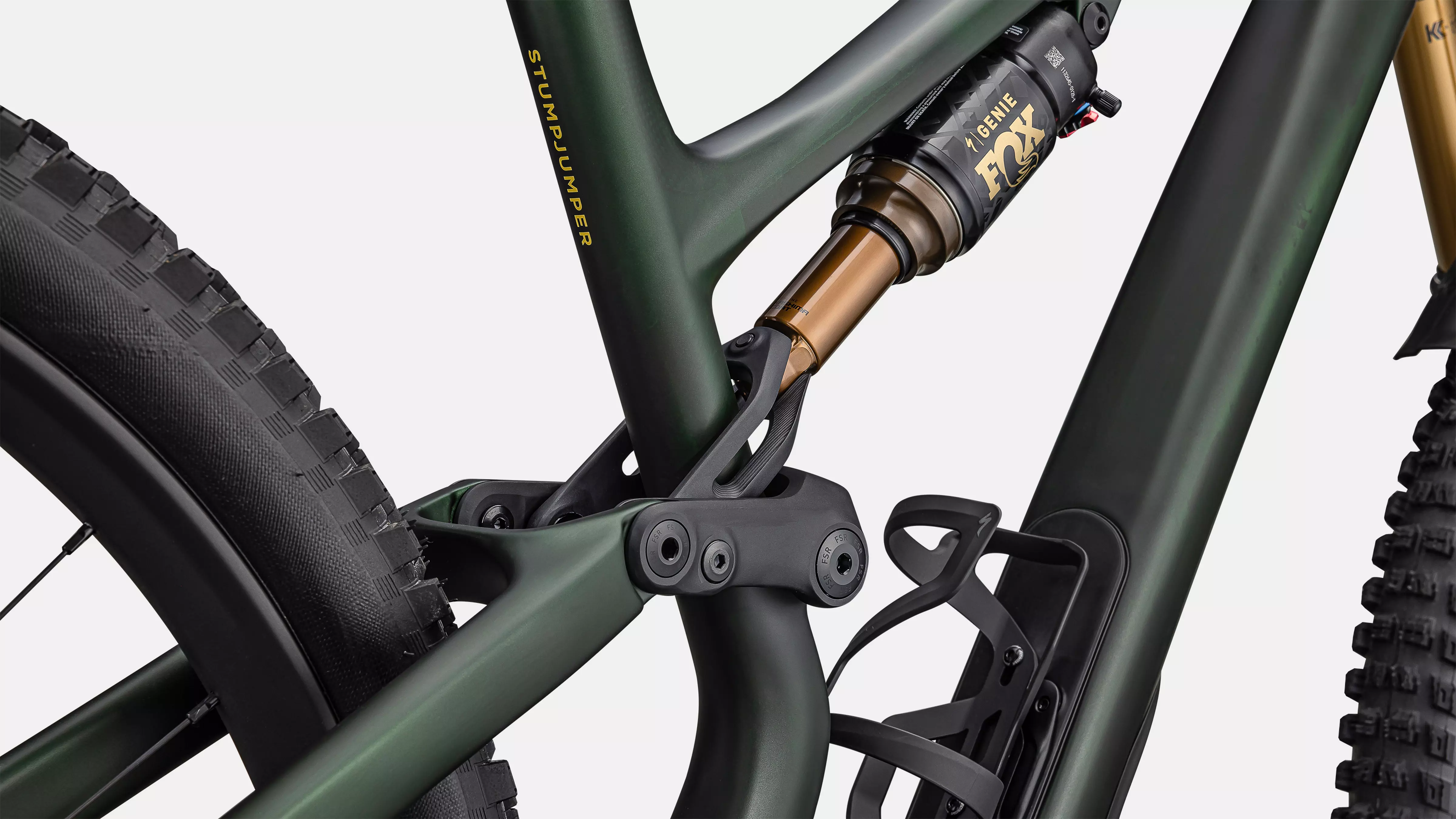
Who the Stumpjumper 15 EVO is Perfect For
This bike excels for specific rider profiles and use cases.
Aggressive Trail Riders Seeking One-Bike Solution
If you want one bike handling everything from long pedal days to lift-access enduro runs, the Stumpjumper 15 EVO delivers. It genuinely works across terrain that would typically require multiple bikes. Weekend warriors logging diverse rides benefit most from this versatility.
Riders Prioritizing Descending Without Sacrificing Climbing
Former enduro bike riders seeking more efficient climbing without losing descending capability will appreciate how the Stumpjumper bridges categories. You gain 10-15% better climbing efficiency compared to 170mm travel enduro bikes while surrendering surprisingly little descending performance.
Tech-Forward Enthusiasts
If you’re excited by cutting-edge suspension technology, adjustable geometry, and wireless drivetrains, the Stumpjumper 15 EVO provides a comprehensive package. This bike showcases where trail bike technology is headed.
Medium to Advanced Skill Levels
While not a beginner bike due to its price and aggressive nature, intermediate to advanced riders will appreciate how the Stumpjumper flatters your abilities. The bike encourages progression, letting you push your limits with confidence that your equipment won’t be the limiting factor.
Who Should Consider Alternatives
The Stumpjumper 15 EVO isn’t universally ideal.
Budget-Conscious First-Time Mountain Bikers
At $6,200+ for the entry carbon build, this bike represents significant investment. New riders should consider more affordable options allowing them to develop skills and preferences before committing to premium bikes.
Pure XC Racers or Lightweight Purists
If you prioritize absolute minimum weight for racing or long-distance epics, dedicated XC bikes weighing 24-26 pounds make more sense. The Stumpjumper’s 30-32 pound weight provides capability you won’t need for pure XC applications.
Riders Wanting Traditional Mid-Travel Trail Bikes
Specialized’s decision to EVO everything leaves a gap for traditional 130-140mm trail bikes. Some riders prefer less aggressive geometry, lighter weight, and less capability for their typical riding. These cyclists might feel the Stumpjumper 15 EVO is overkill.
Cable Drivetrain Loyalists
If you refuse to embrace wireless shifting or prefer cable-actuated drivetrains for philosophical or practical reasons, the carbon Stumpjumper won’t work. You’ll need to consider aluminum models or different brands entirely.
Comparing the Competition: How It Stacks Up
The Stumpjumper 15 EVO competes in a crowded segment with several excellent alternatives.
Santa Cruz Tallboy: Classic Competitor
The Tallboy offers 145/130mm travel in a more traditional trail bike package. It costs similarly, provides adjustable geometry, and features VPP suspension praised for efficiency. The Tallboy appeals to riders wanting less aggressive geometry while maintaining excellent capability.
Yeti SB140: Premium Alternative
Yeti’s SB140 delivers 140mm travel with Switch Infinity suspension earning rave reviews for pedaling efficiency and descending performance. At similar prices to the Stumpjumper, the SB140 targets riders who prioritize climbing while still wanting descending prowess.
Pivot Trail 429: Refined Competitor
The Trail 429 provides 140/125mm travel with DW-Link suspension and carbon frame quality matching Specialized. Pivot’s approach emphasizes refinement and traditional mid-travel trail bike characteristics rather than pushing toward enduro territory.
Trek Fuel EX: Value Alternative
Trek’s Fuel EX offers similar versatility at potentially lower prices depending on spec level. The Fuel EX provides excellent performance without quite reaching the Stumpjumper’s descending capability or suspension innovation.
The Verdict: One Bike to Rule Most Trails
The Specialized Stumpjumper 15 EVO represents the culmination of decades of trail bike evolution. It’s not a revolutionary redesign (you won’t mistake it for anything other than a Stumpjumper) but rather the perfection of an already excellent formula.
Independent testers consistently rank it among the best trail bikes available, and for good reason: the GENIE suspension genuinely delivers on its promises, the geometry balances capability with versatility, build quality is exceptional, and the bike simply makes riding more fun regardless of terrain.
Is it perfect? No bike is. The lack of cable routing on carbon models will bother some riders. The aggressive spec might be overkill for mellow trail riders. Pricing puts it beyond many riders’ budgets. And Specialized’s decision to eliminate the traditional shorter-travel Stumpjumper leaves a gap in their lineup.
But for riders who want one bike genuinely capable of handling nearly everything (from long pedally adventures to aggressive descending), the Stumpjumper 15 EVO delivers better than almost anything else on the market. It’s expensive, but you’re paying for genuine innovation and exceptional performance rather than just marketing hype.
As one long-term tester concluded after thousands of miles: “This is literally one of the best and most versatile Mountain Bikes I have ever rode.” That assessment, from someone who’s ridden everything from regular Stumpjumpers to Enduros, speaks volumes about what Specialized has achieved with the 15th generation EVO.
Frequently Asked Questions
Q: What’s the difference between the 2025 and 2026 Specialized Stumpjumper 15 EVO, and how does the Stumpy 15 compare to previous models?
The frame remains unchanged between 2025 and 2026 model years on the Stumpy 15. The key 2026 updates include standard 160mm fork travel (up from 150mm on most 2025 builds), a Fox Float X GENIE shock with piggyback reservoir (versus inline on base 2025 models), higher-rise handlebars for improved ergonomics, and the availability of Shimano’s new wireless XTR and XT Di2 drivetrains. The geometry numbers with the 160mm fork are slightly slacker by about 0.5 degrees. Essentially, Specialized made the more capable EVO spec standard across the entire line, eliminating the distinction between the regular Stumpjumper and Stumpjumper EVO that existed in previous generations. Now there’s only one model: the aggressive, capable EVO version.
Q: How does the Specialized GENIE suspension system work, and can I adjust it with volume spacers?
The Specialized GENIE suspension employs a dual-chamber air spring design that creates a more linear spring rate through the initial 70% of travel (similar to coil shocks) while maintaining progressive ramp-up in the final 30% for bottom-out resistance. Unlike traditional air shocks where you might add a volume spacer to make the spring curve more progressive, GENIE allows you to independently tune both positive and negative air chambers to achieve your desired feel. This means you typically don’t need volume spacers. Instead, you adjust the air pressure in each chamber separately to dial in progression. The system translates to noticeably better small-bump sensitivity, improved traction over stuttery terrain, and fewer harsh bottom-outs compared to single-chamber air shocks, even without adding volume spacers.
Q: Is 145mm rear travel on the test bike enough for aggressive riding, or should I consider an enduro bike?
During extensive test rides with the Stumpy 15, the 145mm rear travel paired with 160mm front travel handled surprisingly aggressive terrain due to the GENIE shock’s efficient use of travel and supportive kinematics. Multiple test bike sessions showed riders transitioning from 150mm+ enduro bikes reported the Stumpjumper provided comparable confidence on rough descents while climbing significantly better. If you’re regularly riding genuine downhill terrain, doing big drops (6+ feet), or spending lots of time in bike parks, a dedicated enduro bike with 160-170mm travel makes sense. However, for aggressive trail riding, technical enduro stages, and all-around versatility, our test bike proved the Stumpjumper’s travel is ideal and avoids the pedaling penalties of longer-travel bikes.
Q: Why doesn’t the carbon Stumpjumper 15 have cable routing for mechanical drivetrains, and what tires come standard?
Specialized designed the carbon Stumpy 15 exclusively for wireless electronic drivetrains (SRAM AXS or Shimano Di2), eliminating cable routing holes and ports to create cleaner frame lines, reduce potential failure points, and simplify manufacturing. While this bothers riders preferring cable-actuated systems, it reflects Specialized’s confidence in wireless technology’s future. If you want mechanical drivetrain compatibility, the aluminum Stumpjumper 15 EVO includes traditional cable routing. As for tires, the bike comes spec’d with Specialized’s Butcher GRID Trail casing up front (2.3″ or 2.6″ depending on build) and Eliminator GRID Trail casing in the rear. The GRID Trail casing provides excellent puncture protection and sidewall support while maintaining reasonable weight, a smart choice for aggressive trail riding where durability matters.
Q: How does the new Stumpjumper 15 EVO compare to the previous generation Stumpjumper and Stumpjumper EVO models from 2020-2024?
The new Stumpy 15 EVO consolidates the best attributes of the previous regular Stumpjumper (130mm rear) and Stumpjumper EVO (150mm rear) into a single 145mm platform. Since Specialized eliminated the base model, you’re no longer choosing between Stumpjumper and Stumpjumper EVO. There’s just the EVO now. Key improvements over previous generations include the Specialized GENIE shock technology providing measurably better traction and bottom-out resistance, more refined geometry with taller stack and adjustable head angle, improved SWAT storage system, and compatibility with modern wireless drivetrains. Riders transitioning from the previous EVO consistently report the 15 feels more capable descending despite slightly less rear travel, while climbing noticeably more efficiently. The suspension kinematics represent genuine advancement rather than just marketing evolution.
Q: Should I buy the Expert EVO Di2 at $6,199 or splurge for the S-Works at $11,299, and how do the GRID Trail casing tires perform?
For most riders, the Expert EVO Di2 represents exceptional value on the Stumpy 15. You get the identical FACT 11m carbon frame, Fox Performance Elite suspension (only slightly below Factory level), Shimano XT Di2 wireless components (essentially the same functionality as XTR with minimal weight penalty), and solid finishing components including the Butcher and Eliminator tires with GRID Trail casing. The S-Works saves roughly 1.2 pounds through carbon wheels, Factory suspension, XTR components, and lighter finishing parts (noticeable but not transformative for recreational riders). The GRID Trail casing tires on both builds provide excellent durability and grip for aggressive trail riding without the weight penalty of full downhill casings. Unless you’re racing at a high level or weight is critically important, invest the $5,100 savings in riding trips, protective equipment, or bike maintenance rather than marginal component upgrades.